

FRIDAY SALE! • EXTRA 10% OFF + FREE SHIPPING DEAL | CODE: FRIDAY10
FRIDAY SALE! • EXTRA 10% OFF + FREE SHIPPING DEAL | CODE: FRIDAY10

Dining room wall art ideas work from a seated eyeline. Hang the centre of each piece 54 to 57 inches from the floor, lower than the usual 60, because a dining room is looked at while sitting down. Size the art to roughly two thirds of the table or sideboard beneath it.
A dining room is unusual. People enter it, sit down, and stay in one position facing the same wall for an hour or more. No other room in the house gives art that much sustained attention from a fixed point.
That changes two things. Height comes down, because a seated eyeline is around 45 inches rather than the 60 or so you get standing. And detail becomes worth paying for, because unlike a hallway or kitchen, people here have time to look.
Drop the centre to 54 to 57 inches. It will look slightly low while you are standing and hanging it, and correct the moment anyone sits down. This is the single adjustment that separates a dining room that works from one that feels subtly off.
Dining rooms usually offer one long wall and one or two short ones, with the table in the middle and chairs pushed against the perimeter for part of the day.
The long wall is the obvious choice and usually the right one, because it faces the majority of seats. The wall behind the head of the table is the second option and reads as more formal. Avoid the wall directly behind the serving side if you have a sideboard there piled with objects, since the two will compete.
Check chair clearance before committing. A dining chair pushed back reaches 24 inches from the wall, and anything hung low on that wall will eventually meet a chair back.
The straightforward answer. Size it to about two thirds of the table length and centre it on the table rather than the wall, since the table is what the room is arranged around. On a 72 inch table that means something near 48 inches wide. A single piece also survives a room full of people better than a group, which gets read as clutter once chairs and heads are in the way.

Still life wall art is conventionally suggested for kitchens, but a dining room suits it better. People are seated, unhurried, and close enough to read the detail that a still life carries. The subject also agrees with what the room is for without being literal about it.
Dining rooms tip formal easily, particularly with a dark table and matching chairs. Botanical wall art lightens the room without undermining it. A set of three in a row along the long wall, identical size, 2 inches apart, gives structure and keeps the room feeling relaxed.

A dining room with plain walls, plain floor and a plain table can feel unfinished. Mosaic wall art introduces pattern in a controlled way, contained inside a frame rather than spread across a wallpaper. One patterned piece against otherwise quiet surfaces is more effective than pattern in several places.
Where a sideboard runs along one wall, two matched pieces above it read better than one. Centre each on half the sideboard, hang both at the same height, and keep the outer edges inside the sideboard's width. This arrangement also tolerates a lamp or a bowl on the surface beneath in a way a single centred piece does not.

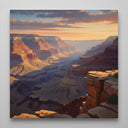
Small dining rooms benefit from a piece with depth in it, a long view or an open horizon, because it suggests space the room does not have. Hang it on the wall furthest from the door so it is the first thing seen on entering. Browse dining room wall decor for subjects that suit the room.
| Table seats | Typical length | Art width to aim for | Centre height |
|---|---|---|---|
| 4 | 48 inches | 30 to 34 inches | 54 inches |
| 6 | 72 inches | 46 to 50 inches | 55 inches |
| 8 | 84 inches | 54 to 58 inches, or a 3 panel set | 56 inches |
| 10 or more | 108 inches | Multi-panel set spanning 66 inches plus | 57 inches |
Where the art hangs above a sideboard rather than facing the table, size against the sideboard instead and leave 6 to 10 inches between the surface and the bottom edge, the same gap you would use above a console.

Dining rooms are the most likely room in a house to have a single low pendant over the table, which throws light downward onto the table and leaves the walls comparatively dark.
That has two consequences. Art on the far wall sits in shadow for the whole evening, which is when a dining room is used most. And a pendant on a dimmer, run low for atmosphere, removes almost all colour from the walls.
The practical response is to choose pieces with enough tonal contrast to hold their shape in low light, rather than relying on colour that will not be visible. If you can add a wall light or a picture light on the art wall, a dining room repays it more than any other room. Failing that, place the art where the pendant's spill actually reaches, which is usually the wall nearest the table rather than the far end of the room.
Candles are worth mentioning for the same reason people forget them: they light the table and nothing else. A room lit only by candles gets its atmosphere from the table, and the walls stop mattering entirely, which is fine as long as you did not spend the budget on the far wall.

A dining room takes its register from what is on the walls more than from the furniture. The same table and chairs read as formal under a large dark landscape and as casual under three light botanical prints.
Decide which you want before choosing. A room used for family meals every night wants the relaxed version, because formality gets tiring at breakfast. A room genuinely reserved for hosting can carry something more serious, and a single large piece with dark tones is the most reliable way to get there.
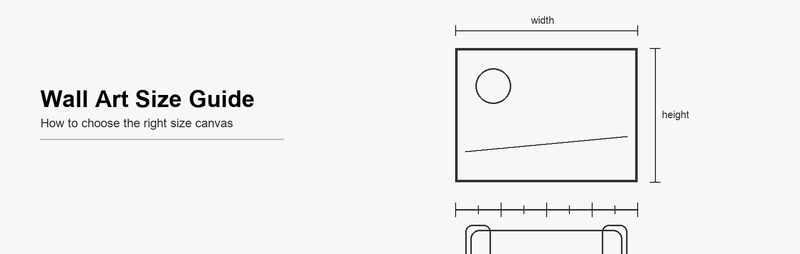
Mixing the two registers is what produces a room that never quite settles. If the table is casual, keep the art casual. Our gallery wall layout guide covers grouped arrangements, and the wall art size guide covers proportions in more depth.
A dining table at one end of a kitchen or living room is the most common arrangement in newer homes, and it needs handling differently from a separate dining room.
The dining end usually has the only substantial free wall in the whole space, because the kitchen end is fitted and the living end is taken up by a sofa and a television. That makes it the natural place for the largest piece in the room, and it should be sized for the whole open space rather than for the table alone.
Going too small here is the standard mistake. A canvas correctly proportioned to a six-seat table can look lost on a wall that is read from thirty feet away across an open-plan room. Where the piece will be seen from the far end of the space, size up: two thirds of the wall width rather than two thirds of the table.
Height is a compromise in open plan. The seated-eyeline argument still applies at the table, but the same piece is seen standing from the kitchen. Splitting the difference at 56 to 58 inches usually works better than committing fully to either.
Keep the dining wall and the living area's art in one palette. Two distinct schemes in a single open room make the space feel divided rather than connected, which defeats the point of open plan.
Dining rooms put furniture against walls in a way most rooms do not, and art gets caught by it.
A dining chair pushed back from the table reaches around 24 inches from the wall behind it, and a chair back typically sits 32 to 38 inches high. Anything hung with its bottom edge below 40 inches on a wall where chairs are pushed back will eventually be knocked. Hanging at the 54 to 57 inch centre recommended above usually keeps a piece clear, but check with the actual chairs rather than assuming.
The same applies to a sideboard used for serving. Leave enough clearance that dishes and serving bowls can be set down without contact, which in practice means the 6 to 10 inch gap should be measured from the tallest thing that regularly sits on the surface, not from the surface itself.
A dining room is one of the few rooms where the art is looked at properly rather than glanced at, so it is worth taking longer over the choice than the size of the room might suggest.
Quick answers
Centre it 54 to 57 inches from the floor, lower than the standard 57 to 60 used elsewhere. A dining room is viewed from a seated position, where eye level is around 45 inches, so art hung at standing height ends up looking too high once everybody sits down.
Aim for roughly two thirds of the table length, so 46 to 50 inches for a six-seat table at 72 inches. Above a sideboard, size to the sideboard instead and leave 6 to 10 inches between the surface and the bottom edge of the piece.
Anything that rewards sustained attention, because people sit facing it for an hour at a time. Still life and detailed landscape work suit the room better than they suit a kitchen or hallway. Match the register to how the room is used: lighter botanical work for everyday family meals, a single darker piece for a room kept for hosting.
Formal gardens, tulip fields and classical florals for a dining room are gathered in Traditional wall art.
Shop this guide
Every collection this guide mentions. Each one opens on artwork printed to order on museum-quality canvas.
Pieces shown above
Every piece this guide shows, printed to order on museum-quality canvas.
Keep reading
Guides that pick up where this one stops.