




Havana Wall Art: How Loud a Piece You Want
Havana wall art is a city photographed for its color and its age at the same time. The recurring subjects are the Capitolio dome, the sea wall at sunset, the old streets and the 1950s American cars, and they carry very different amounts of that color.
Choosing between them is really choosing how loud you want the piece to be.

The Capitolio is the landmark, and it behaves like a monument
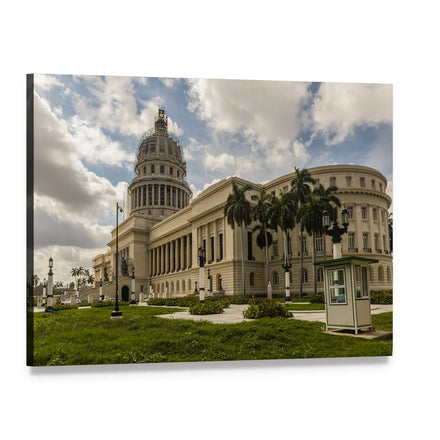
The domed capitol building appears more than any other single structure. It is symmetrical, pale stone, and usually shot straight on or from along the avenue, which makes it the most formal piece in the range.
It reads as architecture rather than as Cuba specifically, which is useful. If you want the city without the postcard, this is the part of the collection to look at. Havana Wall Art holds the range and Architecture Wall Art the wider treatment.

The sea wall at sunset is the atmospheric option
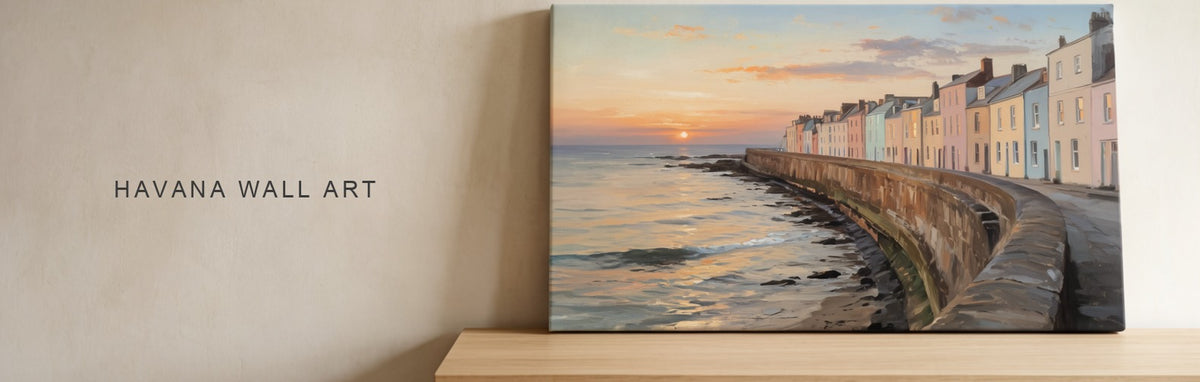
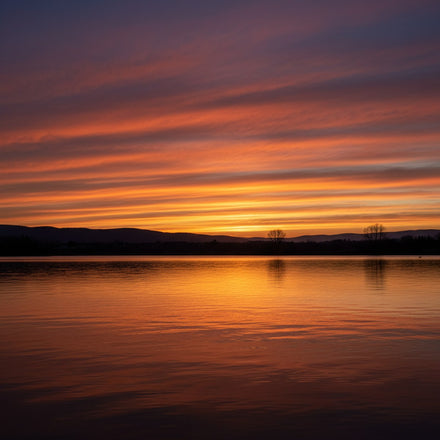
The Malecon runs along the water and faces roughly north west, so the sun sets along it rather than behind the city. That gives the long low sunset shots the place is known for, with the sea on one side and the building fronts lit warm on the other.
These are the calmest pieces here. The color is in the sky rather than in the buildings, which makes them far easier to place than a saturated street scene. Sunset Wall Art covers the same light elsewhere.

Old Havana at night is the busy one
The street scenes are the opposite: narrow streets, painted facades, lit doorways and a lot of detail packed into the frame. They are the most characterful pieces and the hardest to hang, because there is nowhere for the eye to rest.
That makes them a living room or hallway piece rather than a bedroom one, and it argues for the smaller end of whatever size fits. A busy image gets louder as it scales, not calmer.

The cars are a subject in their own right
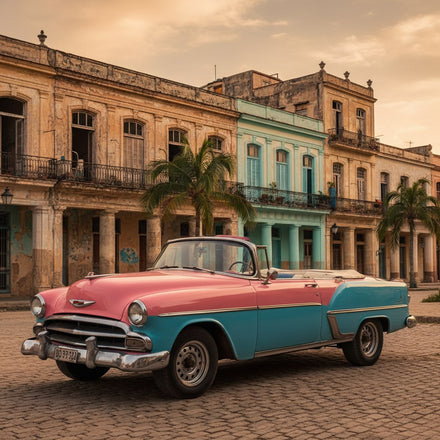
The 1950s American cars are what most people picture when they think of the city, and they are a distinct purchase. A pastel Chevrolet against a peeling wall is a car photograph that happens to be in Cuba, and it belongs with vehicle artwork as much as with travel photography.
They carry the most saturated color in the whole range. If the room needs one strong object rather than a scene, this is the group. Vintage Wall Art holds the wider treatment of period subjects.

The fortress is the quiet corner nobody looks for
El Morro, the castle on the headland at the harbor mouth, appears several times and behaves like a coastal landscape rather than a city picture: stone, water, sky and very little else.
It is the most restful thing in the collection and the only piece here that would sit comfortably above a bed. Coastal Wall Art covers the same register.
Sizing, and the color warning
The practical caution with this city is saturation. Painted facades and pastel cars are strong color across a large part of the frame, and at scale that sets the temperature of the room. A sunset or a fortress piece has its color in the sky and scales up comfortably; a street scene does not.
Otherwise the usual applies. Horizontal work runs 1 Piece, 3 Horizontal, 4 Pop, 5 Star and 5 Pop from 24 x 16 to 82 x 42 inches, panoramic covers 36 x 12 to 73 x 24 and suits the sea wall particularly well, and a single car or doorway suits the vertical range at 12 x 24 to 24 x 49. Size to about two thirds the width of the furniture below with the center 57 to 60 inches from the floor. The sofa sizing guide has the measurements and the living room guide covers sightlines.
Quick answers
Common Questions
What is the most common subject in Havana wall art?
The Capitolio dome, followed by the sea wall at sunset, the old streets and the 1950s American cars. The Morro fortress on the harbor headland is a smaller fifth group and behaves like a coastal landscape rather than a city picture.
Which Havana piece is easiest to hang?
A sunset along the sea wall. The color sits in the sky rather than in the buildings, so it carries warmth without a saturated block of paint across the frame, and it scales up comfortably. A street scene is the hardest, because the detail leaves the eye nowhere to rest.
Why does Havana photograph so warm?
Two reasons together. The Malecon faces roughly north west, so the sun sets along the sea wall rather than behind the city, and the buildings themselves are painted in pastels that hold that light. The color is in the architecture as well as the sky, which is unusual.
Are the classic cars a separate thing from the city pictures?
Effectively yes. A pastel Chevrolet against a peeling wall is a car photograph that happens to be in Cuba, and it sits with vehicle and period artwork as much as with travel photography. It also carries the most saturated color in the range.
What suits a bedroom from this collection?
The Morro fortress. Stone, water and sky with almost nothing else in frame makes it the only genuinely restful piece here. Street scenes and cars are too busy and too saturated for a room meant to feel calm, and belong in a living room or hallway instead.
Shop this guide
The collections in this guide
Every collection this guide mentions. Each one opens on artwork printed to order on museum-quality canvas.
Pieces shown above
The pieces in this guide
Every piece this guide shows, printed to order on museum-quality canvas.


Keep reading
Read next
Guides that pick up where this one stops.