


WEEKEND SALE! • EXTRA 10% OFF + FREE SHIPPING DEAL | CODE: WEEKEND10
WEEKEND SALE! • EXTRA 10% OFF + FREE SHIPPING DEAL | CODE: WEEKEND10
The Tiaracle Room Guide
A room is not a taste, it is three measurements. How far back you stand, how much wall there is and what the room is for. Those decide size, shape and subject between them, and most of what goes wrong on a wall is one of the three being ignored. Every piece is printed to order on museum quality canvas and ships ready to hang.
Before subject or color, a room settles three things on your behalf. Get these right and almost any piece works. Get them wrong and the best artwork in the house still looks off.
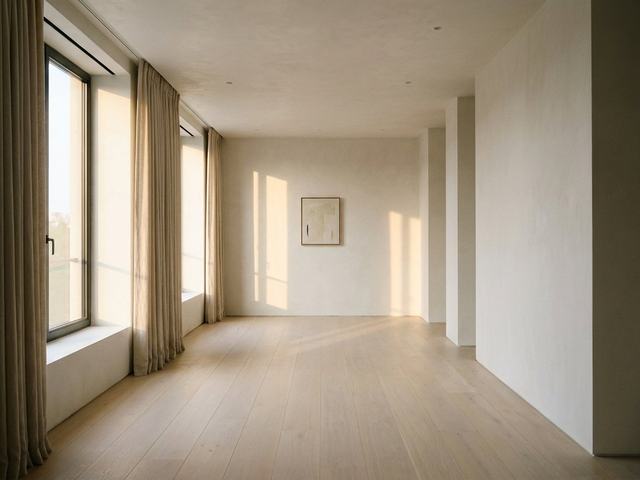
How Far You Stand
A hallway is read at three feet, so a busy image turns to noise and a simple one holds. A living room is read at ten to fourteen, where fine detail disappears and a single strong shape survives. Match the piece to the distance and the room does the rest.
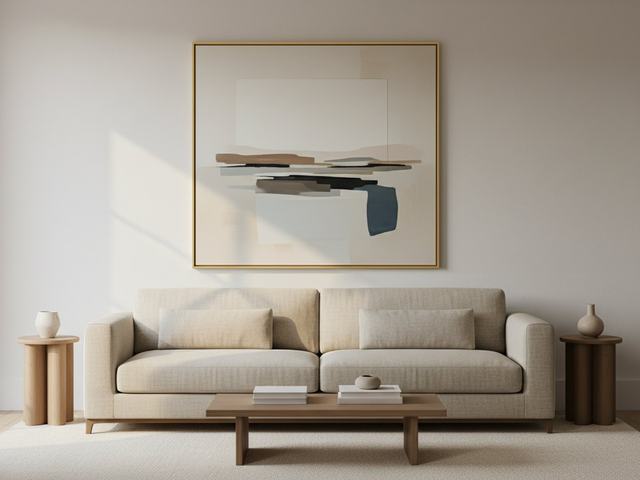
How Much Wall
A piece should span about two thirds of whatever sits below it. That single ratio settles most arguments about size, and it is why the same bedroom takes a different piece above a king bed than above a nightstand.
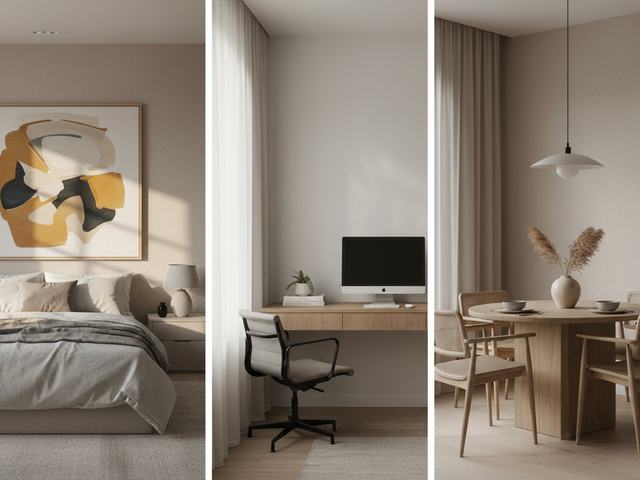
What It Is For
A bedroom is for winding down, so low contrast and cool color suit it. An office is for focus, so one clear subject beats a busy one. A restaurant is for staying longer, which is why warm light and human scale work there and stark minimalism does not.
Measure the sofa, the bed or the console and this works out the rest: the width to aim for, how high to hang it, and which of our shapes actually reach that size.
Start with what sits below it
Twelve rooms, each with the distance it is read from, the wall it usually has and the shape that suits it. The bathroom and the kitchen are the two most searched and the two hardest, because both are seen from a few feet and neither has much uninterrupted wall.
A commercial wall is read by people who did not choose the art, often at speed and from further away. Scale matters more, personality matters less, and the lighting is usually fixed. These seven behave differently from a room at home.
Five measurements that hold in every room in the house, and in every room at work.
Measure the sofa, bed or console and aim for artwork about two thirds that width. A 84 inch sofa wants roughly 56 inches of art, which is one wide canvas or a set that spans it.
Gallery height puts the middle of the piece at average standing eye level. It is the single most common mistake in a house: art hung too high, because people hang it at their own eye level.
Close enough that the piece and the sofa read as one group, far enough that they are not touching. Above a bed, measure from the top of the headboard rather than the mattress.
A multi panel set is hung as one object. Keep the gaps equal and small, and treat the outer edges as the width that has to satisfy the two thirds rule.
Dining rooms, restaurants and reading corners are seen from a chair, so seated eye level is about forty five inches. Hanging at standing height in a seated room is why it feels off.
Hang the center of the piece 57 to 60 inches from the floor, which is average standing eye level and the height galleries use. Above furniture, leave 6 to 8 inches between the top of the sofa or headboard and the bottom of the frame. In a room where people are seated, such as a dining room, drop the center to about 45 inches.
About two thirds the width of the sofa. An 84 inch three seat sofa takes roughly 56 inches of artwork, which is one wide canvas or a multi panel set measured across its outer edges. Going smaller than half the sofa width is the most common reason a wall looks unfinished.
Light, low contrast work in a shape that matches the wall. A narrow wall takes a vertical piece, a short run between cabinets takes a square, and a corridor takes a repeated series. Size the piece to the wall rather than to the room, and hang it at the same 57 to 60 inches.
The bathroom and the kitchen, because both are read from three to six feet and both have very little uninterrupted wall. Simple subjects and small formats work where a large canvas will not physically fit, and both rooms reward a pair over a single piece.
No. A house that matches room to room reads as a showroom. Keep one thread running through the whole home, usually a color family or a medium, and let the subject change with the room. That is how a collection looks collected rather than bought at once.
Search the Catalogue
Tiaracle is all about bringing your interior vision to life. Search by subject, color or place, or have a custom design made for you.