






Historical Wall Art: Four Eras, One Label
Historical wall art covers artwork whose subject is a specific past: medieval armor and castles, Viking longships, ancient ruins like Persepolis and Machu Picchu, and twentieth century military aircraft. It is a subject category, not a style category, which is why it holds photography, illustration and painted reconstruction side by side.
That breadth is the thing to understand before browsing. Two pieces can both be historical wall art and share nothing visually, because the only thing they have in common is that the subject happened.

Four eras carry most of the range
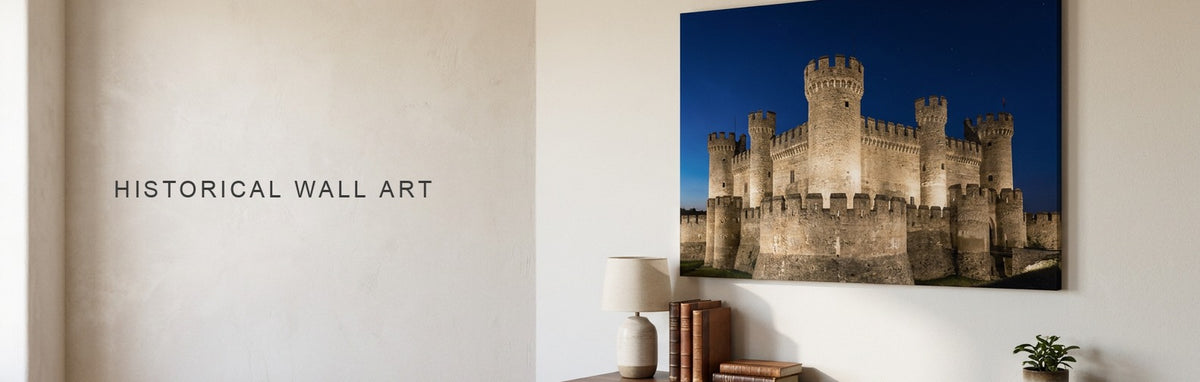
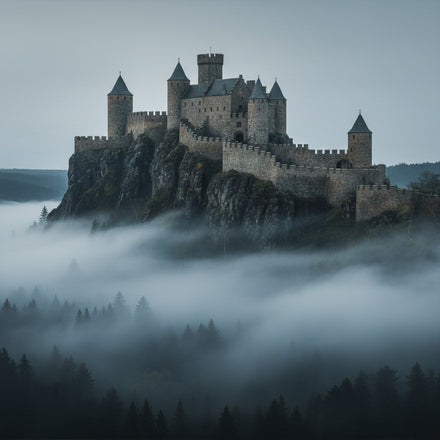
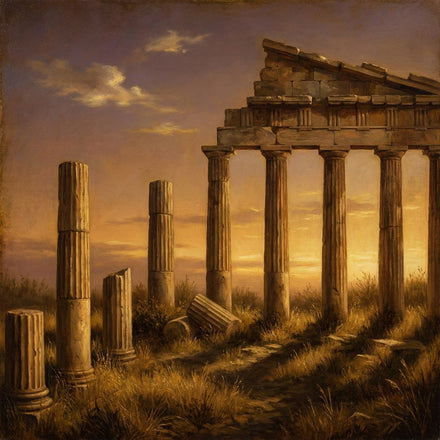
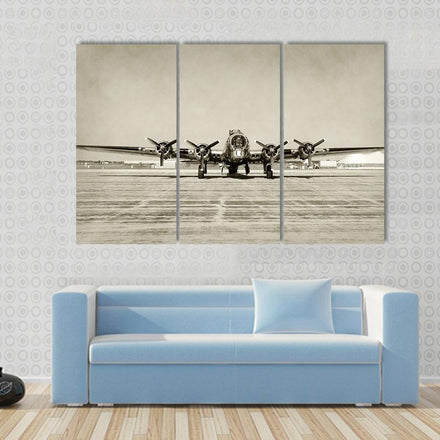
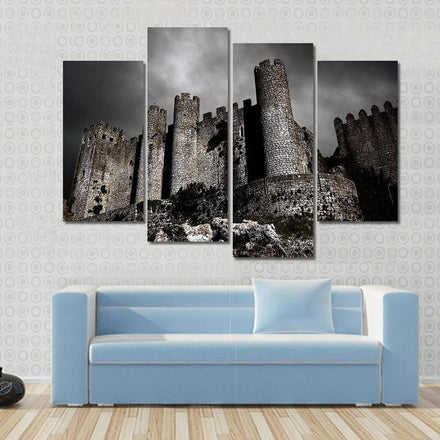
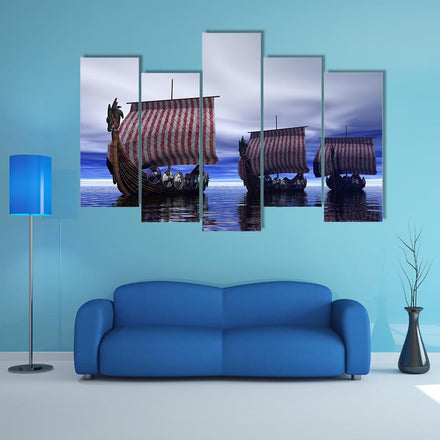
The medieval group is the largest and most recognizable: castles at night, knight helmets with gauntlets and swords, fortified architecture. The Viking group sits next to it with longships at sea and warriors in ornate helmets. Ancient ruins form a third group, Persepolis at sunset and Machu Picchu among them. The twentieth century military group, dominated by Second World War aircraft, is the fourth.
Those four rarely mix well on one wall. Each carries its own palette and its own light, and a knight helmet next to a bomber reads as a museum gift shop rather than a considered arrangement.

Ruins are landscape photography wearing a historical label
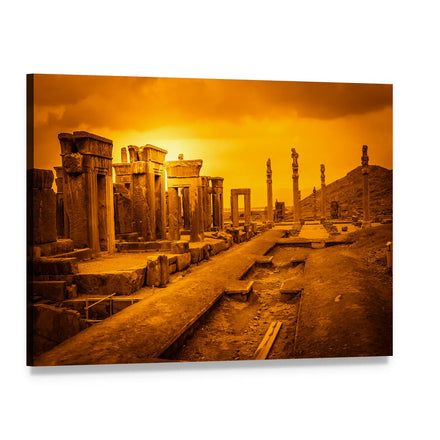
The ancient ruins group behaves differently from the rest. Persepolis at sunset and Machu Picchu are photographs of places, shot with the light and composition of landscape work, and they hang like landscapes: warm, wide, comfortable in a living room or a hallway.
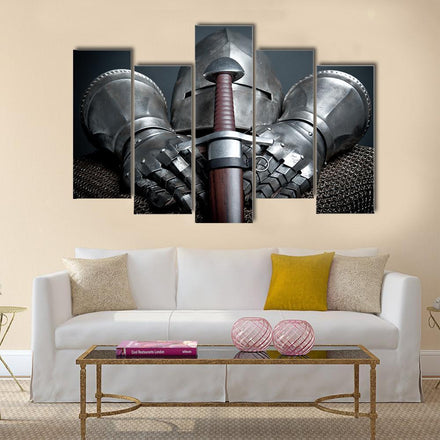
The armor and weaponry group does not. Those are object studies, close and dark, and they suit a study, an office or a den. If a room needs a piece that simply looks good, the ruins are the safer half of this category.

The military aircraft group overlaps with a range of its own
Second World War aircraft sit in historical wall art and also in the dedicated Military Wall Art range, which is deeper on the subject and better organized for it. If aircraft are the actual target, start there and treat the historical range as the wider context.
The same is true of fortifications. Castles Wall Art holds far more castle imagery than the historical range surfaces on its own, including the European and coastal fortresses that sit at the edge of the category.

Dark subjects need scale and a pale wall
Most of this range is low-key: night castles, dark metal, dim interiors, dusk over ruins. Two practical consequences follow. Small formats lose the detail that makes the subject legible, so these pieces want size more than a bright landscape does.
And the wall behind them needs to be lighter than the artwork. A dark armor study on a charcoal wall reads as a rectangle. The same piece on warm white reads as the object it is.

Historical is not the same as vintage
Historical describes the subject: the thing depicted is from the past. Vintage describes the treatment: aged color, worn texture, retro typography, whatever the subject happens to be. A sharply photographed Viking longship is historical and not vintage. A distressed poster of a modern city is vintage and not historical.
Mixing the two words is the most common way people end up browsing the wrong range. Vintage Wall Art is where the treatment lives.
What to browse
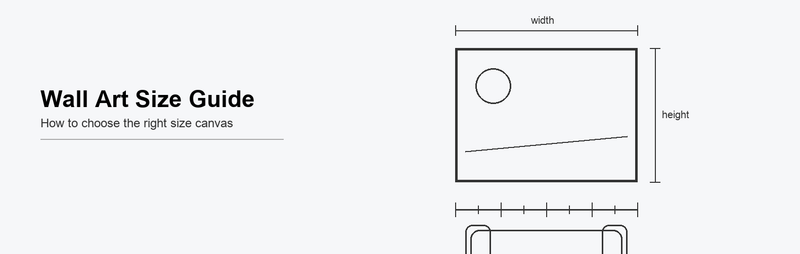
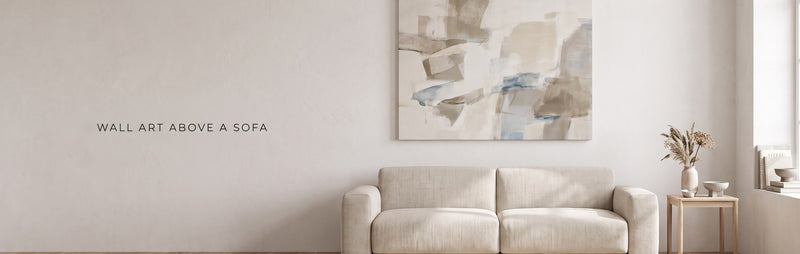
Start with Historical Wall Art for the full spread across all four eras. For a single era, Castles Wall Art and Military Wall Art both go deeper than the parent range does. The size guide covers giving a dark subject the scale it needs, and the above-the-sofa sizing math covers the most common wall for a large piece.
Quick answers
Common Questions
What counts as historical wall art?
Artwork whose subject belongs to a specific past: medieval castles and armor, Viking ships and warriors, ancient ruins such as Persepolis and Machu Picchu, and twentieth century military subjects including Second World War aircraft. It is defined by subject, not by artistic style.
What is the difference between historical and vintage wall art?
Historical describes what is shown, a subject from the past. Vintage describes how it is treated, aged color and worn texture applied to any subject at all. A crisp photograph of a Viking longship is historical but not vintage; a distressed print of a modern city is vintage but not historical.
Do historical pieces mix well together on one wall?
Usually not across eras. Each group carries its own palette and lighting, so a medieval armor study beside a wartime aircraft tends to read as an unplanned collection. Grouping within one era, several castles or several ruins, holds together far better.
Which historical subjects suit a living room?
The ancient ruins. Persepolis and Machu Picchu are photographed like landscapes, warm and wide, and they hang like landscapes. Armor, weaponry and dark castle interiors are object studies and sit more naturally in a study, office or den.
Why do these pieces need a larger size?
Because most of the range is dark and detailed. Night castles, dim metal and dusk-lit ruins carry their subject in fine tonal detail, and that detail disappears at small sizes. A pale wall behind the piece matters for the same reason.
Shop this guide
The collections in this guide
Every collection this guide mentions. Each one opens on artwork printed to order on museum-quality canvas.
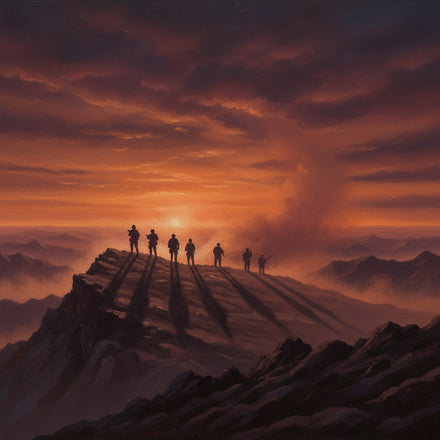

Pieces shown above
The pieces in this guide
Every piece this guide shows, printed to order on museum-quality canvas.
Keep reading
Read next
Guides that pick up where this one stops.