






Transportation Wall Art: Mostly Aircraft, Not Cars
Transportation wall art here is mostly aviation. Aircraft dominate the range, from airliners lifting off a runway to jet engine detail and wartime bombers, with trains and emergency vehicles forming much smaller groups behind them. Anyone expecting classic cars to lead this category will find the opposite.
That imbalance is the useful thing to know before browsing, because it changes where to start. If the subject is aircraft, this is the right range. If it is anything else, the specific subject range is faster.

Aircraft carry the category
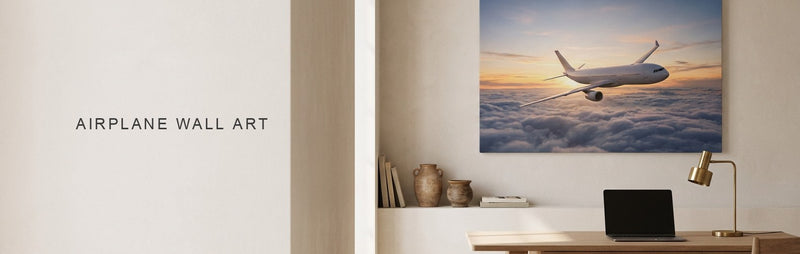
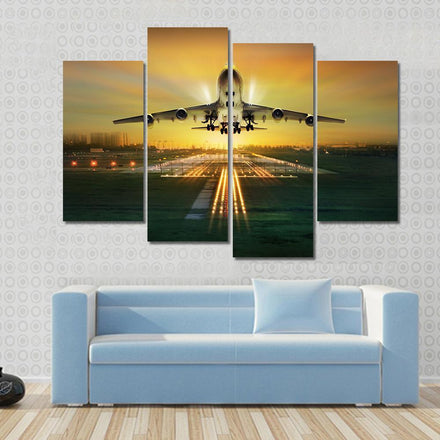
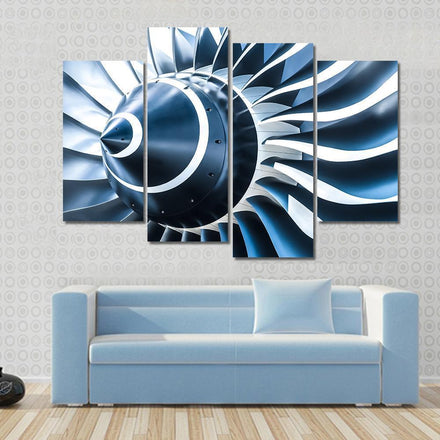
The aviation half splits again into three: commercial aircraft in motion, taking off or above cloud; close mechanical detail such as engine blades and fuselage sections; and historic military aircraft. Those are three different moods sharing one subject.
A jet lifting off is an optimistic, forward picture and it suits an office or a hallway. An engine blade close up is an abstract that happens to be machinery, and it sits with graphic work rather than with landscape. The wartime frames belong with the Historical Wall Art range and read very differently in a room.

Trains are the second group and they are landscape pictures
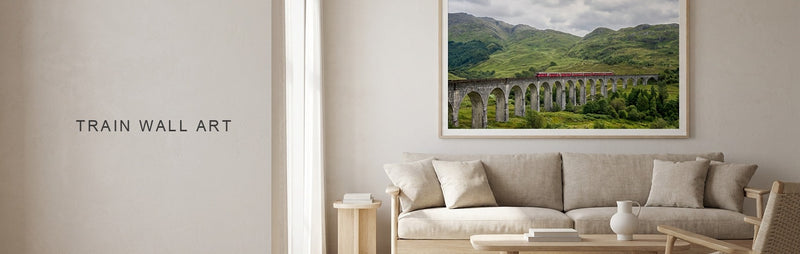
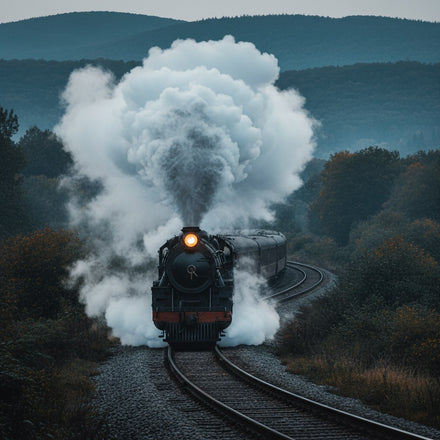
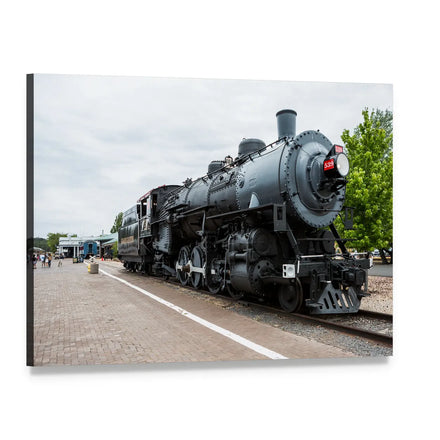
Steam locomotives on a platform, a train on a coastal railway, engines in period settings. These behave as landscape and nostalgia rather than as machinery: the setting carries as much of the image as the train does.
That makes them the warmer half of this category and the easier half to place in a living space. Train Wall Art is the dedicated range and is deeper on the subject than the parent is.

Emergency vehicles are a small and specific group
Fire trucks and rescue apparatus appear here, and they are bought for a specific reason rather than for decoration: a firefighter's home, a station, a themed room for a child. Treating them as general decor misreads what they are for.
They are also strongly colored, deep reds against dark backgrounds, so they set the palette of a wall rather than fitting into one.

Motion is what separates a good transport picture from a record shot
The pieces that work show the subject doing what it exists to do: wheels leaving a runway, steam trailing, a wake behind a hull. A machine photographed static and centered is documentation, and it reads as a catalog picture on a wall.
When choosing between two similar pieces, the one with implied movement almost always holds up longer in a room.

Scale depends on which group it is
Mechanical detail shots survive being small, because the subject is already a close crop and the composition is simple. Aircraft in a landscape need size: the plane is a small element in a large frame, and shrinking the print shrinks the plane below the point where it reads.
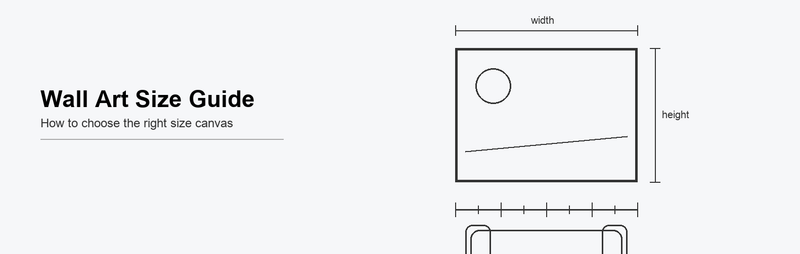
The size guide covers matching that to a wall.
What to browse
Start with Transportation Wall Art for the whole category. For the two biggest groups on their own, Train Wall Art and Historical Wall Art go deeper, and the subject hub lists every subject range we carry. The airplane wall art guide and the train wall art guide go deeper on the two biggest groups.
Quick answers
Common Questions
What does transportation wall art actually cover?
Mostly aviation: commercial aircraft in motion, close mechanical detail such as engine blades, and historic military aircraft. Trains form a smaller second group and emergency vehicles a smaller third. Cars are a much thinner presence than most people expect.
Which transport subject suits a living room?
Trains, usually. They photograph as landscape and nostalgia, with the setting carrying as much of the picture as the machine, which makes them warmer and easier to place than aircraft or emergency vehicles.
What makes one transport image better than another?
Implied motion. Wheels leaving a runway, trailing steam, a wake behind a hull. A machine photographed static and centered reads as documentation rather than artwork, and it wears out faster on a wall.
Do aircraft pictures need to be large?
Usually yes, when the aircraft sits inside a landscape. The plane is a small element in a wide frame, so reducing the print reduces it below the size at which it reads. Close mechanical detail shots are the exception and hold up small.
Where do fire trucks and rescue vehicles fit?
They are a small, purposeful group rather than general decor, bought for a firefighter's home, a station or a themed room. They are also strongly colored, so they set a wall's palette instead of fitting into an existing one.
Shop this guide
The collections in this guide
Every collection this guide mentions. Each one opens on artwork printed to order on museum-quality canvas.

Pieces shown above
The pieces in this guide
Every piece this guide shows, printed to order on museum-quality canvas.


Keep reading
Read next
Guides that pick up where this one stops.