

WEEKEND SALE! • EXTRA 10% OFF + FREE SHIPPING DEAL | CODE: WEEKEND10
WEEKEND SALE! • EXTRA 10% OFF + FREE SHIPPING DEAL | CODE: WEEKEND10

Wolf wall art here means one composition, overwhelmingly: a howling silhouette against a full moon. The range runs variations on forest, storm, mountain and two-wolf scenes, but the moon and the howl are the constant, which makes this one of the most single-minded subject collections in the store.
That consistency is worth knowing before browsing, because it means the real decisions are not about subject but about setting, format and mood, covered below.

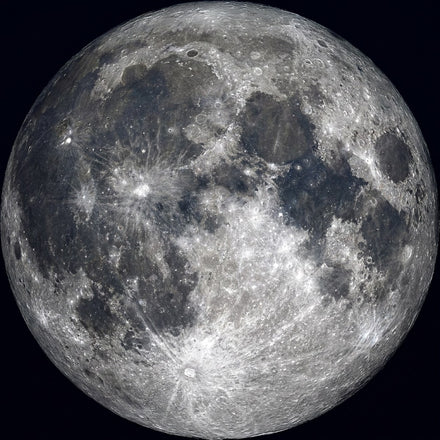
Of the collection's pieces, the overwhelming majority pair a howling wolf with a full moon, in silhouette or in detail. A wolf without a moon is the exception here, not the rule. If a wolf photograph without a moon is specifically wanted, this range will disappoint; if the moon pairing itself is the appeal, the range is deep on exactly that, and Moon Wall Art covers the wider range beyond wolves.
The reason the pairing dominates is straightforward: a howling silhouette needs a light source behind it to read, and a full moon is the natural one, so the two compositions reinforce each other rather than competing.

Forest, mountain cliff, snowy field and thunderstorm are the four recurring backdrops, and each shifts the reading. Forest and mountain settings read as calm and majestic. A storm backdrop, lightning behind the howl, reads as dramatic and tense. Two wolves howling together read as companionship rather than solitude.
Pick the setting to match the room's mood rather than assuming any wolf piece reads the same: a storm version in a bedroom fights the room's purpose the way a chess king would, while the same piece in a study or entryway lands as intended. The military wall art guide makes the same argument about matching a piece's mood to the room, on a different subject.

Some pieces render the wolf as a pure black silhouette against the moon, graphic and high contrast. Others light the fur and face in detail, more like wildlife photography with the moon as backdrop rather than a shape. Silhouettes read as symbol; detailed versions read as portrait.
Silhouettes pair more easily with a room that already has strong graphic elements, black frames, geometric patterns, and sit comfortably in the wider Black Wall Art range for that reason. Detailed versions suit a room built around natural materials and warmer, softer surfaces.

Because a howling wolf is typically framed with the moon above and slightly to one side, the subject adapts well to both a standard horizontal canvas and a tall vertical crop, and panoramic versions exist for a wolf on a wide mountain ridge. Multi Panel Wall Art covers the split layout versions if a single piece is not enough for the wall.
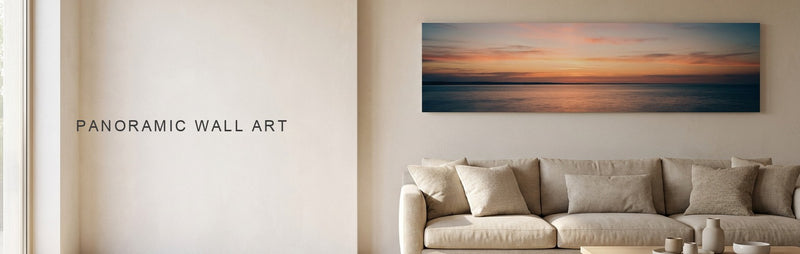
Vertical suits a narrow wall or the space beside a fireplace; panoramic suits a long low run of wall above a headboard or console, the same logic as any panoramic subject. The panoramic wall art guide covers why the shape suits a mountain cliff backdrop specifically well.

Studies, entryways, cabins and any space that wants a quiet statement of solitude or wildness. A lone howling wolf reads as independence and instinct rather than aggression, which is why it suits a personal space more than a shared family room. The animal carries deep cultural meaning across traditions, from Norse companionship to Native American guidance, which is part of why the image endures beyond decor trends.
Quick answers
Because a howling silhouette needs a light source behind it to read clearly, and a full moon is the natural choice, so the two elements developed together as one composition. A wolf photograph without a moon is the exception in this range rather than the standard option.
Silhouette versions render the wolf as a solid black shape against the moon, reading as symbol and pairing well with graphic, high contrast rooms. Detailed versions light the fur and face like wildlife photography, reading as portrait and suiting warmer, natural material rooms.
Forest, mountain cliff, snowy field and thunderstorm are the four recurring backdrops. Forest and mountain read as calm; storm backdrops read as dramatic and tense; a two wolf composition reads as companionship rather than solitude. The setting changes the room mood more than the wolf itself does.
A study, entryway, cabin or personal space, where a quiet statement of independence and instinct suits the room better than a shared family space. A dramatic storm version in a bedroom fights the room's purpose; the same piece in a study or entryway works as intended.
Standard horizontal, tall vertical and wide panoramic formats all exist in this range, because the moon and howl composition adapts naturally to each crop. Vertical suits a narrow wall, panoramic suits a long low wall, and multi panel splits are available for a wider statement.
Shop this guide
Every collection this guide mentions. Each one opens on artwork printed to order on museum-quality canvas.
Pieces shown above
Every piece this guide shows, printed to order on museum-quality canvas.
 Howling Wolf at Full Moon Canvas Wall ArtFrom $69.95
 Howling Wolf in Lightning Storm Canvas Wall ArtFrom $69.95
 Howling Wolf Silhouette Under Full Moon Canvas Wall ArtFrom $69.95
 Howling Wolf Under Full Moon Panoramic Canvas Wall ArtFrom $98.95
 Two Wolves Howling on a Cliff at Sunset Canvas Wall ArtFrom $69.95
Keep reading
Guides that pick up where this one stops.