

THURSDAY SALE! • EXTRA 10% OFF + FREE SHIPPING DEAL | CODE: THURSDAY10
THURSDAY SALE! • EXTRA 10% OFF + FREE SHIPPING DEAL | CODE: THURSDAY10
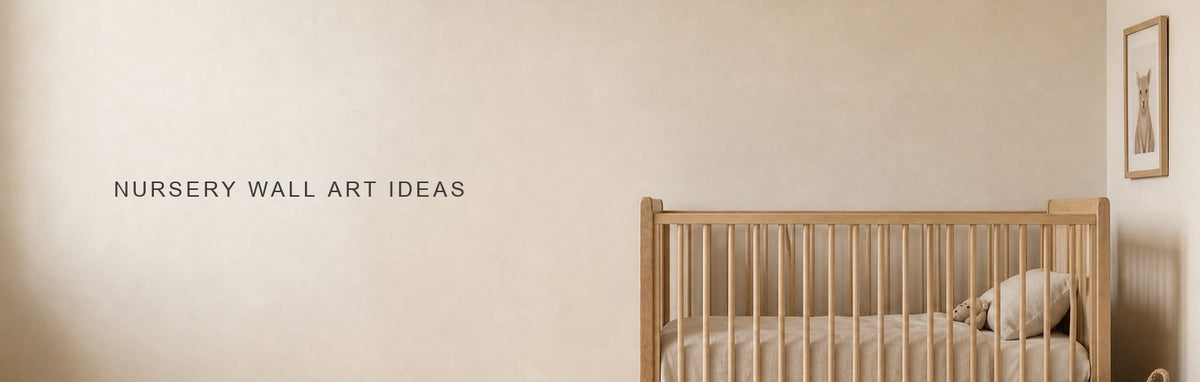
Nursery wall art ideas have one hard constraint before any aesthetic one: nothing hangs directly above a cot. Put art on the wall the baby faces, on the changing area wall, or above a dresser, fixed into a stud or a rated cavity anchor, and keep it clear of anywhere a child can reach.
A cot is the one place in a nursery where a child spends hours unattended. Nothing goes on the wall directly above it. Not a canvas, not a shelf, not a mobile fixed to the wall.
This is not a caution about product quality. It is that a cot is used for years, a child eventually stands up in it and reaches, and fixings in plasterboard loosen over time in a room where a door slams. Removing the possibility entirely is easier than managing it.
Everywhere else in the room is available, and there is more of it than people expect. The wall the cot faces is usually the largest clear surface in a nursery and the one a baby actually looks at while lying down.
Newborn vision is limited and short range. High contrast registers, fine detail and pale pastels largely do not, and color discrimination develops over the first several months.
This has a practical consequence that most nursery decorating ignores: the very soft pastel scheme that photographs beautifully is close to invisible to the person living in the room for the first few months. If you want the art to do something for the baby rather than only for the adults, put one piece with clear shapes and strong tonal contrast on the wall the cot faces.
Everything else in the room can be as soft as you like. It is one wall, doing one job.
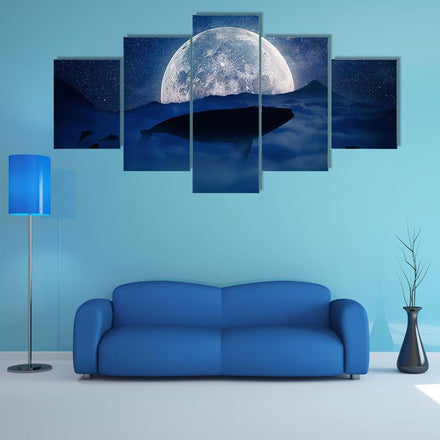
Simple bold shapes, strong light and dark, hung at roughly 40 to 48 inches from the floor so it sits in the eyeline of somebody lying down rather than standing. This is the one piece in the room chosen for the baby rather than the camera. It stays useful for the first year and then becomes ordinary wall art.

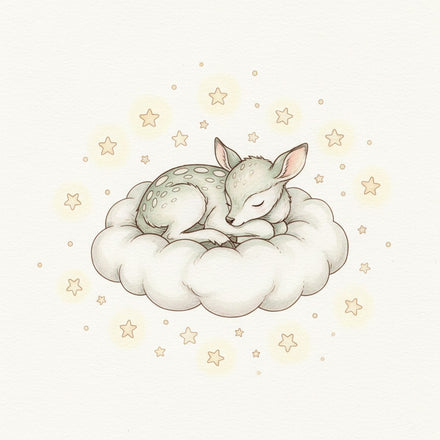
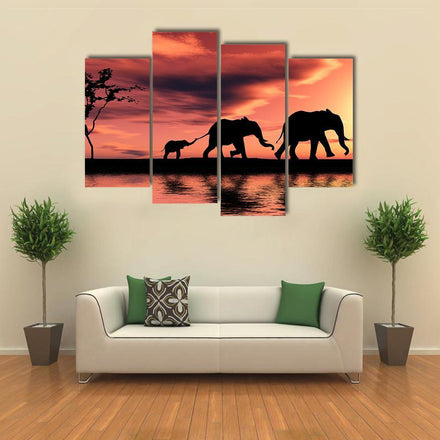
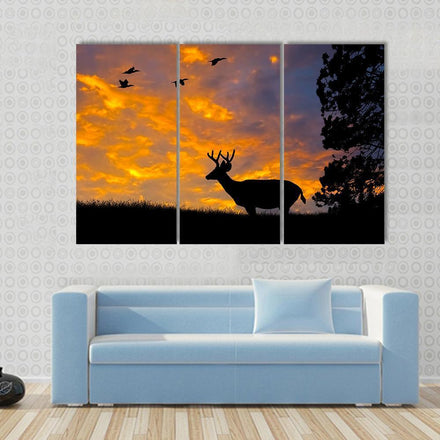
Animal wall art is the most durable nursery subject there is. It works for a newborn, stays interesting to a toddler who can name the animals, and does not embarrass a six year old. Choose actual animals over cartoon versions, which date to a specific year in a way real subjects do not.
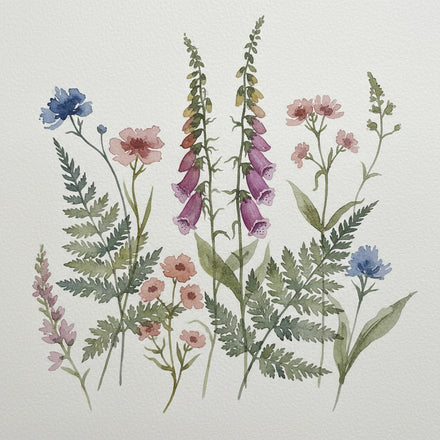
Watercolor art gives a nursery its gentleness without going saccharine. Use it on the walls that are for the adults, the changing area and the feeding chair corner, and let the cot-facing wall carry the contrast. Muted washes also photograph well, which matters more in a nursery than in most rooms.

The dresser or changing table is the natural spot for a group. Three pieces in a row, identical size, 2 inches apart, treated as one rectangle and centerd on the furniture. Keep the bottom edge 12 inches clear of the surface so nothing is within reach of a child on the changing mat.
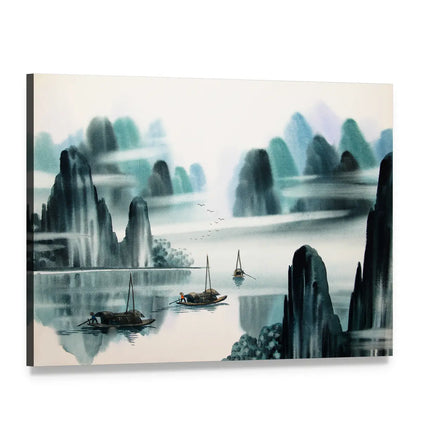
Neutral does not have to mean beige. Greens, warm ochres, deep blues and terracotta all read as neutral in practice and give a room considerably more character than greige. Landscape and botanical subjects carry color without carrying a theme, which is what most people actually want when they ask for gender-neutral.

A nursery has a working life of about three years before it becomes a child's bedroom. Art chosen for a newborn usually does not survive that transition, and redecorating twice is avoidable. Choose subjects rather than characters, and buy one good piece rather than six themed ones. Browse nursery wall art for pieces that hold up past the cot years.

Nursery heights are unusual because the room has two audiences at very different eye levels.
| Position | Height for the center | Chosen for |
|---|---|---|
| Wall the cot faces | 40 to 48 inches | The baby, lying down |
| Above a dresser or changing table | 12 inches clear of the surface | Adults, standing |
| Feeding chair corner | 50 to 55 inches | An adult, seated |
| Directly above the cot | Nothing at all | Safety |
The feeding chair wall deserves more thought than it usually gets. Somebody will sit in that chair at three in the morning several hundred times. Something calm and worth looking at earns its place there more than anywhere else in the house.
Nurseries are the one room routinely kept dark during the day. Blackout blinds mean the room is often seen either in full artificial light or in near darkness, rarely in the soft daylight it was probably chosen in.
Check anything you are considering under a warm low light similar to a night light, because that is the condition it will most often be seen in by an adult. Cool pale colors go flat and grey under that light. Pieces with some warmth hold up.
Direct sun is worth a thought for the opposite reason. A nursery with a large window that gets afternoon sun will put strong light across one wall for hours. Archival inks resist fading, but no print benefits from sitting in direct sunlight for years, so the far wall is a better home for anything you intend to keep.

Less than the internet suggests. A nursery is already a visually busy room: a cot with bedding, a dresser covered in objects, toys, a chair, usually a rug with a pattern.
Two or three considered placements is plenty. One piece on the cot-facing wall, one group above the dresser, and optionally something by the chair. Filling every wall produces a room that is hard to settle a baby in and hard to photograph well.
The other argument for restraint is practical. Nurseries get rearranged more than any other room in the house, usually several times in the first year as you work out what actually functions. Fewer fixings means fewer holes to fill when the cot moves.
For the general proportions behind the table above, see the wall art size guide, and the damage-free hanging guide is worth reading if you are renting, with the caveat that adhesive fixings are not appropriate anywhere near a cot.
A nursery that will hold two children, either at once or in sequence, benefits from being planned that way from the start.
For siblings sharing, resist giving each child their own themed half. Divided rooms look divided, and the arrangement becomes a source of comparison. One scheme across the whole room, with each child having a small personal piece near their own bed or cot, works better and lasts longer.
For a second child arriving into a room already decorated, the useful principle is that subjects transfer and themes do not. A room built around animals and landscape absorbs a new occupant without any change. A room built around a specific character or a name on the wall has to be redone.
This is the strongest practical argument for choosing subjects over themes at the outset. It is also why one larger piece usually beats a collection of small themed ones: it can move to a different wall, a different room, or a different child without looking out of place.
The general test is whether the piece would still make sense in the room when the cot becomes a bed. Most nursery-specific purchases fail it, and most subject-led ones pass.
The room will change more than you expect in the first three years. Choosing fewer, better pieces on subjects rather than themes is what lets it change without needing to start again each time.
Quick answers
No. Keep the wall directly above a cot clear of anything: canvases, shelves and wall-fixed mobiles alike. A child spends long unattended periods there and will eventually stand and reach. Hang art on the wall the cot faces or above a dresser instead, using a fixing rated to at least four times the weight of the piece.
For the wall the baby faces, high contrast matters more than color, since newborn vision responds to strong light and dark before it discriminates soft pastels. For the rest of the room, greens, warm ochres, deep blues and terracotta all read as gender neutral while giving the room more character than pale beige.
It depends who the piece is for. Art meant for the baby goes lower, centerd 40 to 48 inches from the floor so it sits in the eyeline of somebody lying down. Art above a dresser should clear the surface by at least 12 inches. By a feeding chair, 50 to 55 inches suits a seated adult.
Simple shapes a baby can read from the cot: animals in profile, a moon and stars, a single tree, soft landscapes. High-contrast pieces suit the first months, when a baby sees edges before colors. Skip busy patterns and small detail, which a child cannot see from a distance and which make the room feel restless at night.
One or two. A single canvas on the wall the cot faces, and at most one more above a changing table or dresser. A nursery is a small room that fills up fast with furniture and storage, and one clear picture does more for it than a gallery wall a baby cannot take in.
Shop this guide
Every collection this guide mentions. Each one opens on artwork printed to order on museum-quality canvas.
Pieces shown above
Every piece this guide shows, printed to order on museum-quality canvas.
Keep reading
Guides that pick up where this one stops.