

WEDNESDAY SALE! • EXTRA 10% OFF + FREE SHIPPING DEAL | CODE: WEDNESDAY10
WEDNESDAY SALE! • EXTRA 10% OFF + FREE SHIPPING DEAL | CODE: WEDNESDAY10
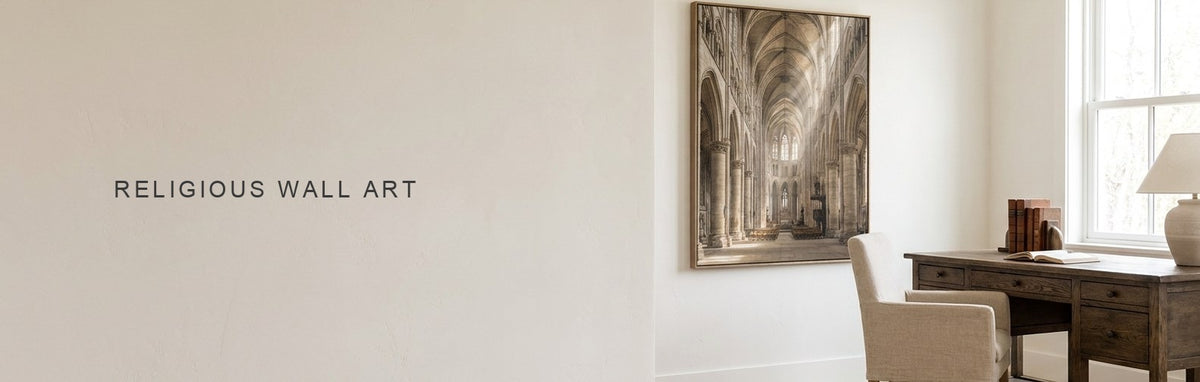
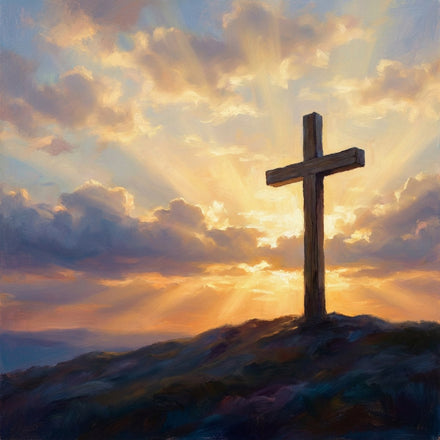
Religious wall art divides into two things that share a name. One is devotional imagery: scripture, figures and symbols meant to express belief. The other is architectural photography of places of worship. Tiaracle's collection is the second, and the distinction changes both what you are choosing and where it hangs.

What is here is buildings: mosques, temples, churches, cathedrals and monasteries, photographed as architecture. Al Aqsa Mosque in Jerusalem, Golden Temple Reflections in India and Russian Orthodox Church in Winter are all of this kind.
That matters practically. A devotional piece declares belief and belongs in a room where that is intended. An architectural photograph of a cathedral reads first as a building and second as a faith, so it hangs comfortably in a living room, a study or a hallway without making a statement anyone has to agree with.
If you specifically want scripture or figurative devotional work, this is not the collection for it.

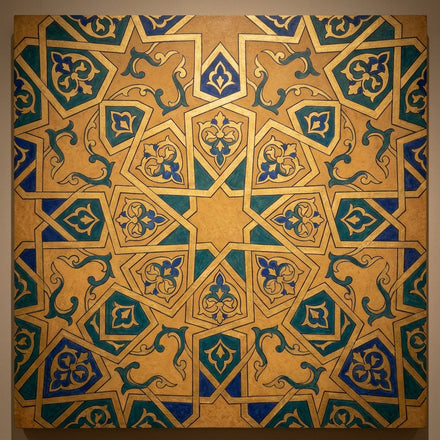
Islamic architecture is the largest group and the most geometric. Domes, minarets and tilework produce repeating pattern and strong symmetry, and the palette runs to turquoise, white and gold.
Hindu and Sikh temples bring the densest ornament and the warmest color. Golden Temple Reflections in India is gold on still water; south Indian temple towers are carved from base to tip.
Churches and cathedrals are the tallest and the coolest. Gothic stone, spires and grey light, often shot in winter or at dusk, which puts them close to the winter landscape palette.
Buddhist subjects are the quietest, with pagodas, stupas and pieces such as Lotus In Hand Of Buddha that carry a single form against a plain ground.

Three things, and they are all deliberate on the part of the builders rather than lucky for the photographer.
Symmetry. Almost every tradition builds on an axis, so the photograph is balanced without the photographer arranging anything. Many are also sited beside water, which doubles the structure.
Verticality. Spires, minarets and temple towers are designed to draw the eye upward. That makes these subjects unusually good for tall narrow walls, where most photography struggles.
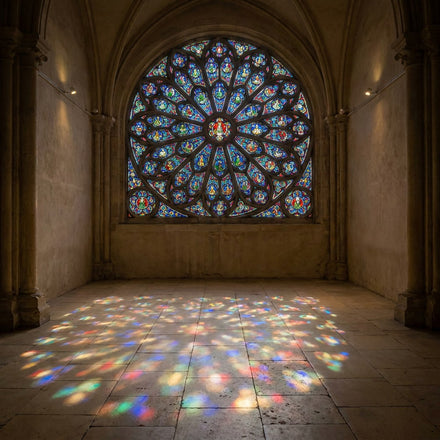
Managed light. These buildings were designed around how light enters them, so interiors photograph with shafts and pools of light that an ordinary building does not produce.

Because these read as architecture, the useful selection criterion is palette and shape, the same as any other building photograph.
A warm room takes the temple and sandstone work, which brings gold and ochre. A cool room takes the cathedral work, which brings grey stone and winter light. A plain modern room takes the Islamic geometric pieces, where pattern does the work and the palette stays tight.
The one arrangement to avoid is a wall of several traditions at once. It reads as a survey rather than as a choice, and the palettes rarely agree.

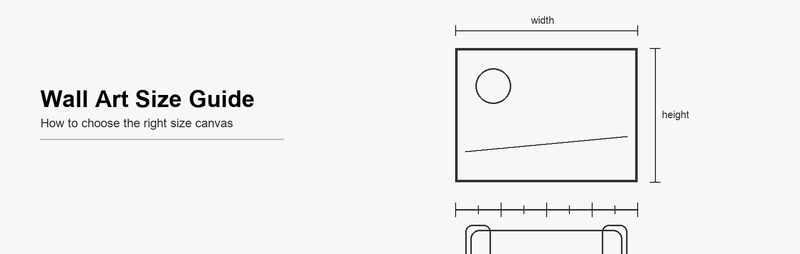
Use the two thirds rule. Artwork above a sofa, bed or console should span roughly two thirds the width of the furniture below it. A standard three seat sofa is about 84 inches wide, so the artwork above it should measure about 56 inches across. Full measurements are in the wall art size guide.
Carved and tiled subjects need size. Ornament is the first thing lost when a print is small, and a temple tower at modest scale becomes texture rather than detail. Plain stone cathedrals and single-form Buddhist pieces are more forgiving.
Every piece in this collection is offered as a single canvas or as a multi-panel set, chosen on the product page. Wide views and interiors split well. A symmetrical building reflected in water is the exception: a panel gap either runs down its axis or sits evenly either side, and both work against the symmetry. Keep those as one canvas.
A hallway or stairwell suits the vertical subjects, since spires and minarets were built to be looked up at and these are the walls with height.
A study or living room takes the wide exterior views comfortably.
A dining room suits the symmetrical reflected buildings, where a balanced image above a table is a deliberate pairing.
Start with Religious Wall Art. For churches, cathedrals and monasteries specifically, Christian Wall Art. For mosques and Islamic geometry, Islamic Wall Art. For temples and the subcontinent, India Wall Art, and for these buildings alongside other monuments, Landmark Wall Art.
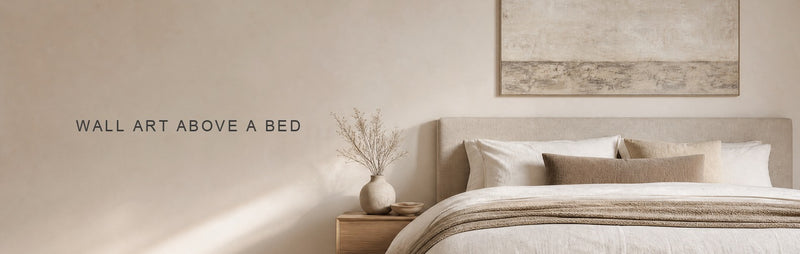
For a symmetrical piece above a table, see dining room wall art ideas, and for placing one large piece above furniture, wall art above a bed.
Quick answers
The term covers two different things. Devotional imagery uses scripture, figures and symbols to express belief. Architectural photography records places of worship as buildings. This collection is the second: mosques, temples, churches, cathedrals and monasteries.
Architectural work does not. A photograph of a cathedral or a mosque reads first as a building and second as a faith, so it hangs in a living room or study as ordinary architectural photography. Devotional imagery is the kind that declares belief.
Because the qualities photographers look for were built in deliberately. Most traditions build on a symmetrical axis, often beside water. Spires, minarets and temple towers draw the eye upward. And the interiors were designed around how light enters, so they produce shafts and pools of light an ordinary building does not.
Larger for carved and tiled subjects, where ornament is the first detail lost at small sizes and a temple tower can become texture. Plain stone cathedrals and single-form Buddhist pieces hold up at more modest sizes.
It rarely works visually. Several traditions together read as a survey rather than as a choice, and the palettes seldom agree: temple gold, cathedral grey and Islamic turquoise are pulling in different directions. Choose on palette and shape instead.
Shop this guide
Every collection this guide mentions. Each one opens on artwork printed to order on museum-quality canvas.
Pieces shown above
Every piece this guide shows, printed to order on museum-quality canvas.
 Al Aqsa Mosque in Jerusalem Canvas Wall ArtFrom $69.95
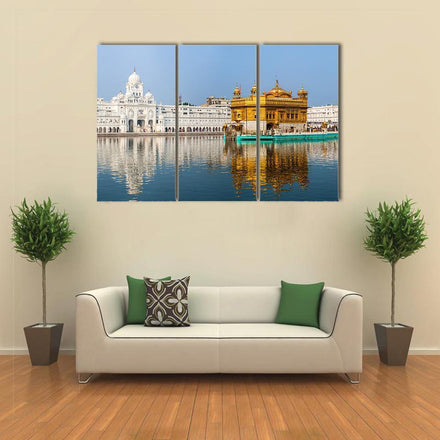 Golden Temple Reflections in India Canvas Wall ArtFrom $69.95
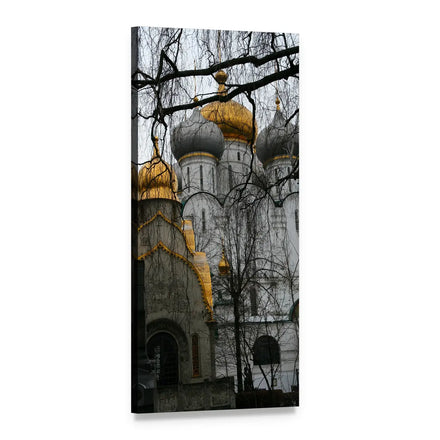 Russian Orthodox Church in Winter Vertical Canvas Wall ArtFrom $99.95
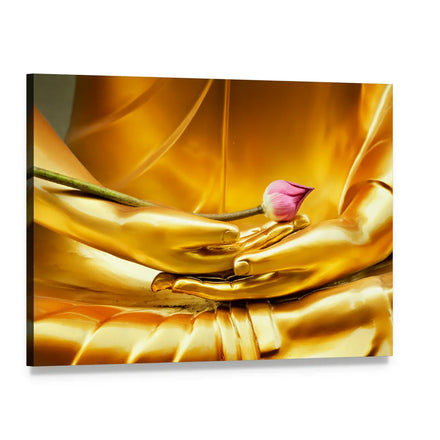 Lotus In Hand Of Buddha Canvas Wall ArtFrom $69.95
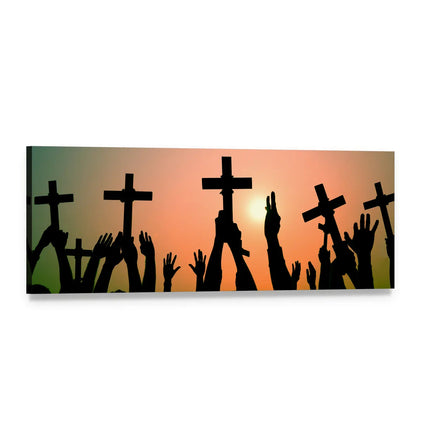 Hands Holding Crosses at Sunset Panoramic Canvas Wall ArtFrom $98.95
Keep reading
Guides that pick up where this one stops.