

MONDAY SALE! • EXTRA 10% OFF + FREE SHIPPING DEAL | CODE: MONDAY10
MONDAY SALE! • EXTRA 10% OFF + FREE SHIPPING DEAL | CODE: MONDAY10

Waterfall wall art divides on one technical choice made before the shutter opened. A long exposure turns falling water into smooth silk and the picture reads calm. A fast exposure freezes individual droplets and the same fall reads loud. Same waterfall, opposite effect on a room.

Hold a camera shutter open for a second or more and moving water blurs into a continuous white veil. Everything else in the frame stays sharp, so the rock is crisp and the water is soft. That contrast is why the effect looks deliberate rather than out of focus.
Shoot the same fall at a fast shutter speed and the water breaks into separate droplets and spray. The picture gains noise and energy and loses stillness.
Neither is better. They belong in different rooms. Silky water suits a bedroom, a bathroom or anywhere the point is calm, and it sits quietly beside neutral walls. Frozen water suits a stairwell, a hallway or a home office where a flat wall needs some force in it.
The two ranking print retailers sell exactly this split without naming it. One describes minimalist long exposure studies. The other promises to bring the energy of a waterfall into a home. They are both right, about different pictures.

Most landscape subjects are wide by nature. A coastline, a prairie, a mountain range and a lake all need width, which is why so much wall art is horizontal and why tall narrow walls stay empty.
A waterfall is the exception. The subject is a vertical drop, so a portrait frame gives it more fall distance rather than cropping it. Nearly a quarter of the pieces in this collection are offered in a vertical format for that reason.
That makes it the practical answer for the pier between two windows, the strip beside a door, or a stairwell wall. Which subjects survive being tall, and why most do not, is set out in vertical wall art for tall walls.

The water itself is white or near white in almost every one of these pictures. The color comes entirely from the setting, which is what actually has to match the room.
Forest falls are the largest group and they read green. Moss, ferns, wet rock, a canopy overhead. Silky Waterfall in Lush Green Forest is the type.
Turquoise pool falls read blue green rather than green, because the plunge pool dominates the lower frame. Erawan Autumn Waterfall with Turquoise Pool and the Plitvice Lakes scenes work this way.
Iceland falls are the coldest palette in the collection: black basalt, gray water, low sun. Seljalandsfoss Waterfall in Iceland and the Godafoss pieces have almost no green in them, which makes them the right choice for a cool or monochrome room where a forest fall would fight the scheme.
Autumn falls are the warm option, with rust and gold foliage against the white water. They are the only version of this subject that suits a warm wood and terracotta room.

Roughly one piece in fifteen here is a recognizable, named fall rather than an anonymous cascade. Havasu, Yosemite, Plitvice, Erawan, Godafoss, Seljalandsfoss, Niagara.
Those are bought for a different reason. An anonymous forest cascade is chosen for how it looks, and a named fall is usually chosen because someone has been there. If the piece is a gift or marks a trip, the name matters and the composition matters less. If it is decorating a wall, the reverse is true.
Search results for this subject mix in a product that is not artwork at all. Indoor water features, lit panels that trickle real water, and screens that loop moving footage with sound all appear under the same phrase.
Those are appliances. They need power, plumbing or both, and they are maintained rather than hung. Everything here is a printed canvas, so if the goal is moving water or sound, this is the wrong category.

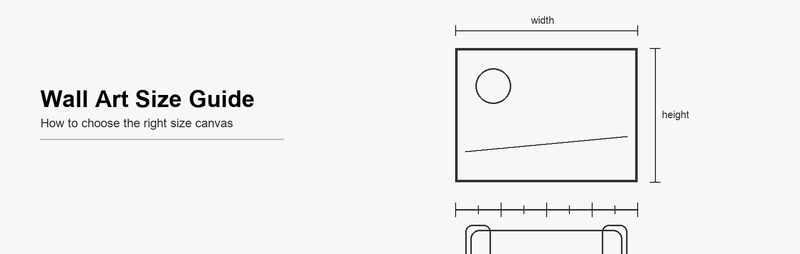
Over furniture, span roughly two thirds the width of the piece below and leave six to eight inches of clear wall. On a bare wall, center at 57 to 60 inches from the floor. Full measurements are in the wall art size guide.
Vertical formats here run from 12 by 24 up to 24 by 48 inches, which is the range that fits a narrow wall. A wide multi tier cascade suits a panoramic format instead, reaching 60 by 20 inches on a single canvas. A tall single drop splits well across a vertical set, since the gaps run across the fall without cutting a focal point.
Start with Waterfall Wall Art. For the tall narrow format the subject suits best, Vertical Wall Art, and for a wide multi tier cascade, Panoramic Wall Art.
For the setting most of these falls sit in, Forest Wall Art, and for the wider subject, Nature Wall Art. The same depth question that governs forest pictures is covered in forest wall art and why the path matters.
Every piece is printed to order on museum-quality canvas with archival inks that resist fading, stretched over a solid wooden inner frame and delivered ready to hang.
Quick answers
Long exposure. Holding the shutter open for a second or more blurs moving water into a smooth veil while the rock stays sharp. A fast shutter does the opposite and freezes the water into separate droplets, which reads energetic rather than calm.
Vertical suits the subject better than almost any other landscape, because a waterfall is a vertical drop and a portrait frame gives it more fall distance. Horizontal and panoramic formats suit wide multi tier cascades, where the water spreads sideways across several ledges.
The water is white, so the setting decides. Forest falls read green, turquoise plunge pools read blue green, Iceland falls are black rock and gray water with almost no green, and autumn falls bring rust and gold. Match the setting to the room, not the water.
Silky long exposure pieces suit bedrooms, bathrooms and anywhere calm is the point. Frozen fast shutter pieces suit stairwells, hallways and home offices, where a flat wall benefits from some energy. The vertical format also fits the narrow walls most artwork cannot.
No. Water features, lit trickling panels and looping video screens are appliances needing power or plumbing. Everything in this collection is a printed canvas, so it does not move and makes no sound.
Shop this guide
Every collection this guide mentions. Each one opens on artwork printed to order on museum-quality canvas.
Pieces shown above
Every piece this guide shows, printed to order on museum-quality canvas.
 Silky Waterfall in Lush Green Forest Vertical Canvas Wall ArtFrom $99.95
 Seljalandsfoss Waterfall in Iceland Vertical Canvas Wall ArtFrom $99.95
 Erawan Autumn Waterfall with Turquoise Pool Canvas Wall ArtFrom $69.95
 Waterfall in the Plitvice Lakes National Park Croatia Canvas Wall ArtFrom $69.95
 Godafoss Waterfall, Iceland Panoramic Canvas Wall ArtFrom $98.95
Keep reading
Guides that pick up where this one stops.