





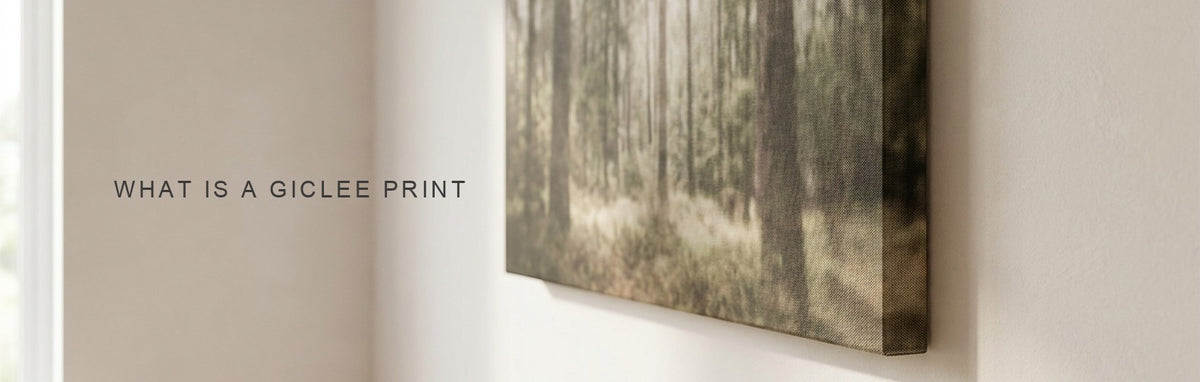
What Is a Giclee Print
A giclee print is a fine art reproduction made on a high resolution inkjet printer with pigment inks on archival paper or canvas. The word is French for sprayed and describes the method. It became the standard term for a museum grade inkjet reproduction, and it is now used loosely enough that the label alone tells you little.
This explains what the term genuinely means, what it does not guarantee, and how to read it on a product page. It does not claim our prints are giclee; it says what they are.

What makes a print a giclee
Three things, in the strict sense. Pigment inks rather than dye, because pigment resists fading for decades where dye does not. Archival, acid free paper or canvas, so the substrate does not yellow. And a high resolution inkjet process with a wide color gamut, typically eight to twelve ink channels, so gradients stay smooth and colors stay accurate.
That combination is what separates a fine art reproduction from a poster. A poster is usually dye or offset ink on standard paper; it can look identical on day one and very different after five years in daylight.

The word is not regulated, so read the specification
There is no body that certifies a giclee. Any seller can use the word, and many use it for prints that meet some of the criteria and not others. The useful move is to ignore the label and read the three facts behind it: what ink, what substrate, what process. A page that names all three is telling you something; a page that only says giclee is not.
The same applies in reverse. A print that meets all three criteria and is not called giclee is a giclee in everything but name.

Giclee on canvas against giclee on paper
| On paper | On canvas | |
|---|---|---|
| Surface | Smooth or lightly textured art paper | Woven canvas, visible texture |
| Display | Needs a frame, usually behind glass | Stretched over a frame, hangs as is |
| Best for | Fine detail, illustration, photography meant to look like a photograph | Painterly subjects, large formats, photography meant to read as artwork |
| Glare | Glass reflects room light | Matte weave scatters it |
| Weight and hanging | Frame and glass add weight | Light, fabric over a hollow wooden frame |
Neither is better. Paper preserves the finest detail; canvas is the more forgiving surface in a lit room and the one that scales to large sizes without a heavy frame.

What our prints are, stated plainly
We do not use the word giclee, and this page is not a claim that our prints are one. What they are: printed to order on museum quality canvas with archival inks that resist fading, stretched over a solid wooden inner frame, and shipped ready to hang. Those are the facts that matter to the question the word giclee is usually standing in for, which is whether the print will still look right in ten years.
If a specification matters to a purchase, the product page is the place to read it, and the canvas print checklist covers what to look for anywhere.
Why giclee prints cost more than posters
Pigment ink is more expensive than dye, archival substrates cost more than standard stock, and a wide gamut inkjet run is slower than offset printing. A giclee is typically two to three times the cost of a poster of the same size, and that difference is the materials, not the label.
Whether it is worth it depends on how long the piece is meant to last and whether it will hang in daylight. For a nursery wall that changes in three years, a poster is fine. For a living room piece meant to stay, the archival materials are the point.

What to browse
For canvas prints across every subject, Nature Wall Art and Abstract Wall Art are the widest ranges, and Oil Painting Canvas Art holds the painterly subjects canvas suits best. The acrylic against canvas and framed against unframed comparisons cover the surface and finish decisions.
Quick answers
Common Questions
What is a giclee print?
A fine art reproduction made on a high resolution inkjet printer using pigment inks on archival paper or canvas. The word is French for sprayed and describes the process. It became the standard term for a museum grade inkjet reproduction, though it is now used loosely.
What is the difference between a giclee and a regular print?
Ink, substrate and process. A giclee uses pigment ink on archival stock at high resolution with a wide color gamut. A regular print or poster typically uses dye or offset ink on standard paper. They can look the same on day one and very different after years in daylight.
Is giclee a regulated term?
No. Any seller can use it, and many apply it to prints that meet some of the criteria. Read the specification behind the word instead: what ink, what substrate, what process. A page that names all three is telling you something; the label alone is not.
Are giclee prints worth the cost?
When the piece is meant to last and will hang in daylight, yes: pigment ink and archival stock are what keep it looking right for decades, and they cost two to three times a poster for that reason. For a wall that changes in a few years, a poster is fine.
Are Tiaracle prints giclee prints?
We do not use the term and this page is not that claim. Our prints are made to order on museum quality canvas with archival inks that resist fading, stretched over a solid wooden inner frame, ready to hang. Those are the facts the word usually stands in for; the product page carries the specification.
Shop this guide
The collections in this guide
Every collection this guide mentions. Each one opens on artwork printed to order on museum-quality canvas.
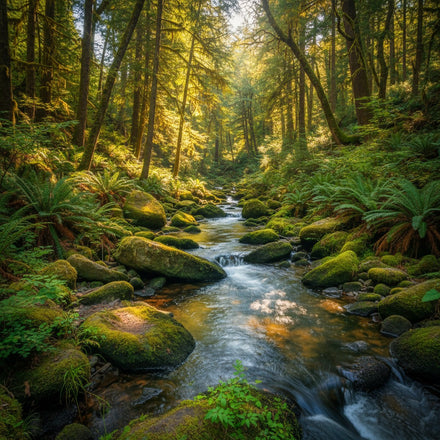


Pieces shown above
The pieces in this guide
Every piece this guide shows, printed to order on museum-quality canvas.


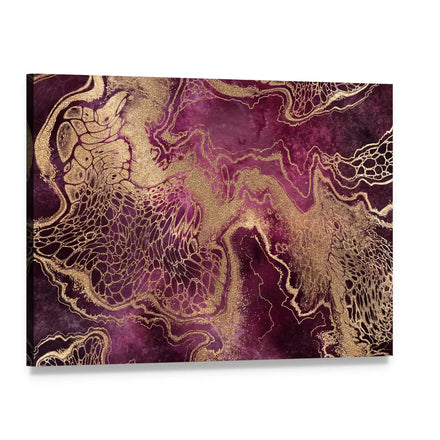
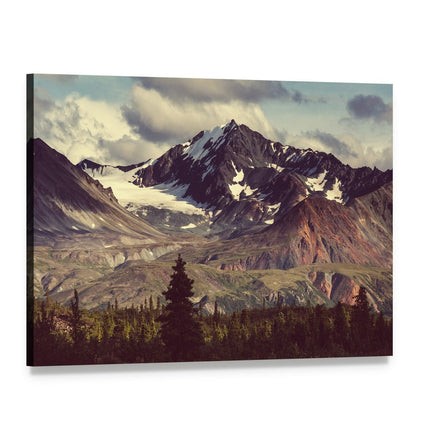
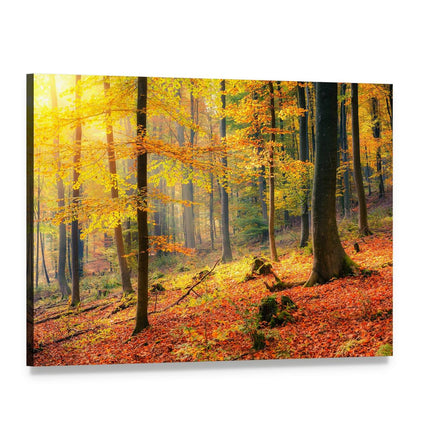
Keep reading
Read next
Guides that pick up where this one stops.