




Philippines Wall Art: Limestone and Water
Philippines wall art is limestone and water. The recurring subjects are the karst formations of El Nido and Palawan, the Chocolate Hills of Bohol and the lagoons between them, which is a narrower and more distinctive range than most tropical destinations offer.
It is also a small range with one thing in it that surprises people, so it is worth knowing what is here before browsing.

Karst is what makes it look different
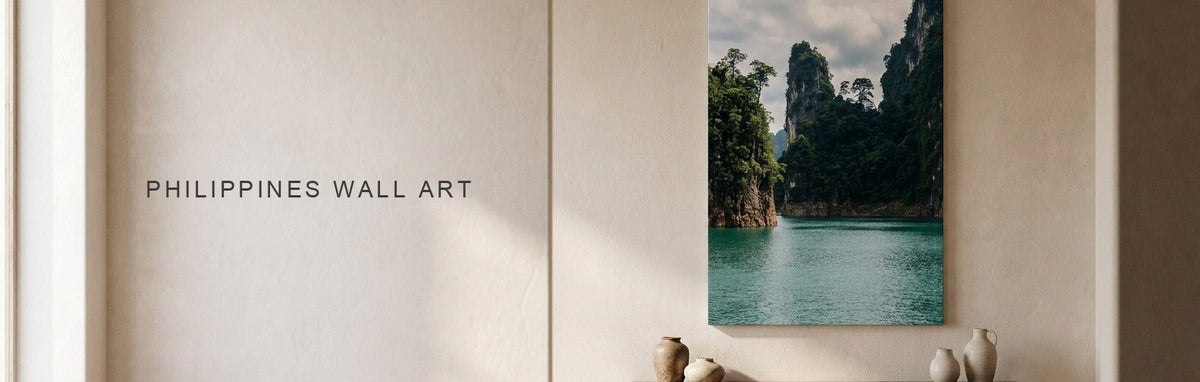
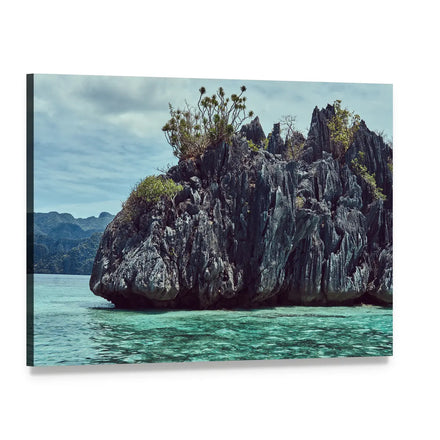
Most tropical island photography is interchangeable: palm, sand, turquoise. The Philippines is not, because of limestone karst, the vertical rock towers that rise straight out of the water in El Nido and Coron.
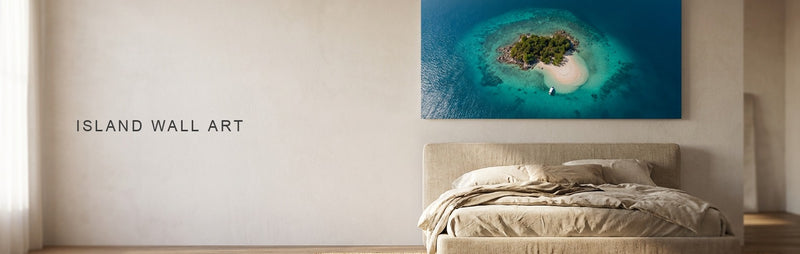
Those towers give a tropical scene something the Caribbean cannot: hard vertical shapes against flat water. That contrast is what makes the images read as a specific place rather than as generic warm weather. Philippines Wall Art is the range and Island Wall Art is the wider set.

The Chocolate Hills are the second signature
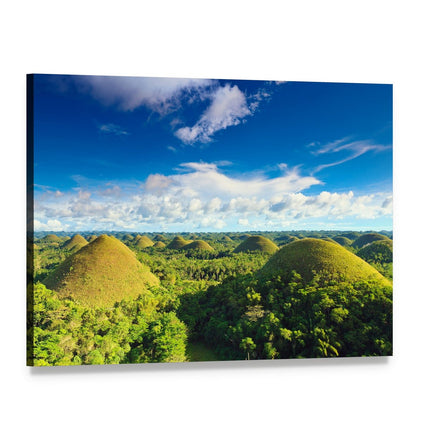
Bohol's Chocolate Hills are a field of hundreds of near identical conical mounds, and they photograph as pattern rather than as landscape. Repeated form across the whole frame, no single focal point.
That makes them behave more like a textile or an abstract than like scenery, which is a useful thing to know when placing one. They suit a modern room that would find a beach scene too literal, and they need viewing distance for the repetition to read.

Nearly a third of this range is the flag
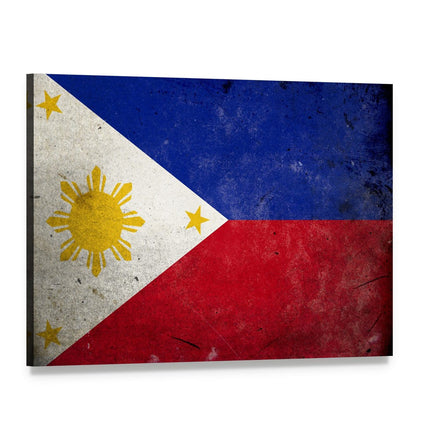
This is the honest note. Flag pieces, usually the Philippine flag with its sun and stars, treated as vintage or distressed, make up a substantial part of what is filed under this country.
They are a completely different purchase from a landscape. A flag is a statement about identity, hung by someone with a connection to the place, and it needs no context from the room. A lagoon is a picture of somewhere beautiful. Neither is wrong; they are just not substitutes, and filtering by country returns both. Flag Wall Art holds the wider flag range.

Lagoons are the calm option
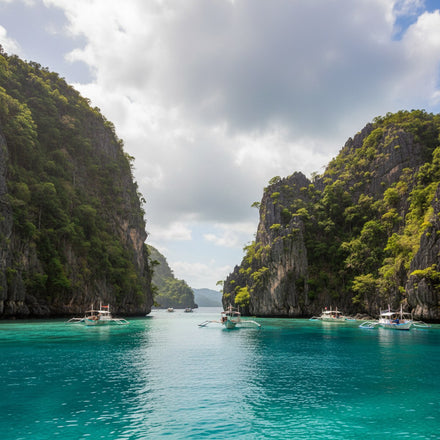
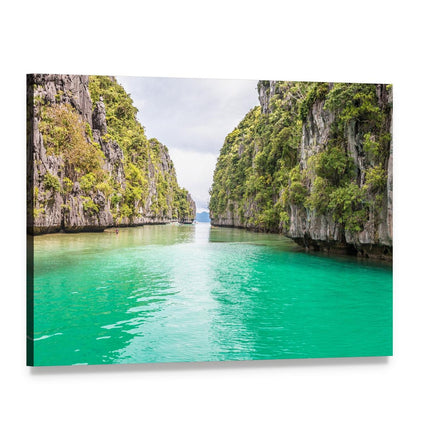
The Big Lagoon and the enclosed bays are the quietest images here: still water, enclosing rock, very little sky. They read as sheltered rather than open, which is unusual for a coastal subject.
That makes them the bedroom choice within this range, where an open ocean shot would feel more energetic. It also means they hold up in a smaller room, because an enclosed composition does not need distance to work. The island wall art guide covers the wider subject.

Green here is not the usual tropical green
Karst towers are covered in dense vegetation growing straight out of rock, so the green is dark, textured and vertical rather than the pale horizontal green of palms over sand.
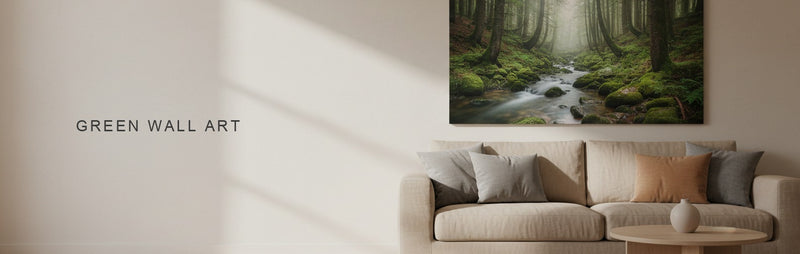
That changes the pairing. These pieces sit better with warm neutrals, timber and stone than with the white and pale blue coastal scheme people usually reach for with tropical artwork. Treat them as landscape rather than as beach decor. The green wall art guide covers placing a deep natural green.
Sizing, and why karst suits a taller frame
Most coastal subjects want width. Karst is the exception, because the towers are vertical and the point of them is that they rise. A wide crop turns a dramatic rock spire into a bump on a horizon.
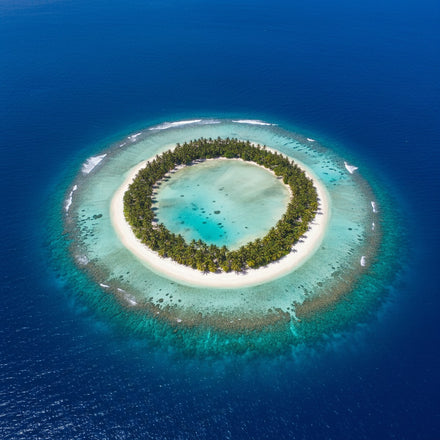
For a karst or lagoon scene, consider the vertical range at 12 x 24 to 24 x 49 inches, or a squarer horizontal crop rather than a very wide one. For an aerial or an open bay, the standard horizontal range applies, 24 x 16 to 82 x 42 inches, and panoramic at 36 x 12 to 73 x 24 suits a wide seascape. Size to about two thirds the furniture width and hang the center 57 to 60 inches from the floor.
Quick answers
Common Questions
What makes Philippines wall art look different from other tropical art?
Limestone karst. The vertical rock towers rising straight out of the water in El Nido and Coron give a tropical scene hard vertical shapes against flat water, which most Caribbean or Pacific photography cannot offer. That contrast is what makes the images read as a specific place.
What are the Chocolate Hills and do they work on a wall?
A field of hundreds of near identical conical mounds in Bohol. They photograph as pattern rather than landscape, with repeated form across the frame and no single focal point, so they behave more like an abstract. They suit a modern room and need viewing distance for the repetition to read.
Why do I see flags when I search this country?
Because a substantial part of what is filed under the Philippines is flag artwork, usually the flag with its sun and stars in a vintage or distressed treatment. It is a different purchase from a landscape: a flag is a statement of identity, a lagoon is a picture of a place.
Which Philippine subject suits a bedroom?
A lagoon. The enclosed bays are the quietest images in the range, with still water, surrounding rock and very little sky, so they read as sheltered rather than open. They also hold up in a smaller room, since an enclosed composition does not need distance to work.
What shape suits a karst photograph?
Taller than most coastal work. The towers are vertical and their height is the point, so a very wide crop reduces a dramatic spire to a bump on the horizon. Use the vertical range at 12 x 24 to 24 x 49 inches, or a squarer horizontal crop, and save panoramic for open bays and aerials.
Shop this guide
The collections in this guide
Every collection this guide mentions. Each one opens on artwork printed to order on museum-quality canvas.

Pieces shown above
The pieces in this guide
Every piece this guide shows, printed to order on museum-quality canvas.

Keep reading
Read next
Guides that pick up where this one stops.