

FRIDAY SALE! • EXTRA 10% OFF + FREE SHIPPING DEAL | CODE: FRIDAY10
FRIDAY SALE! • EXTRA 10% OFF + FREE SHIPPING DEAL | CODE: FRIDAY10
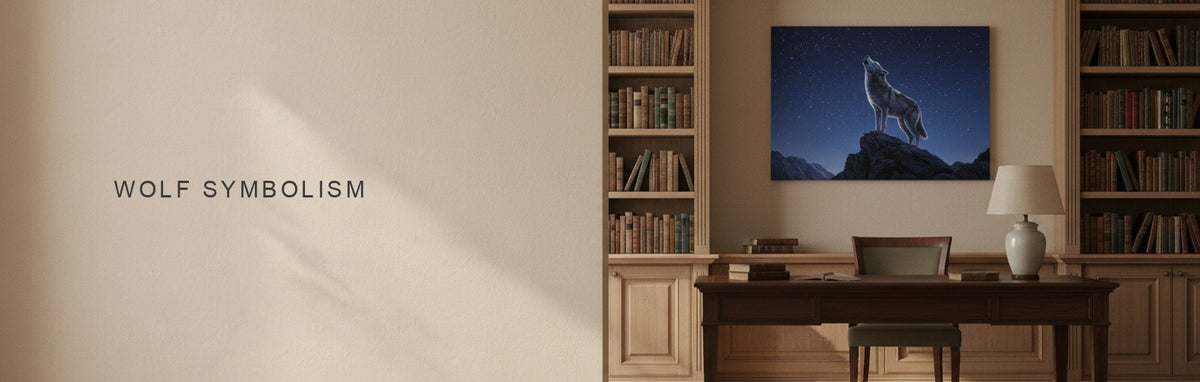
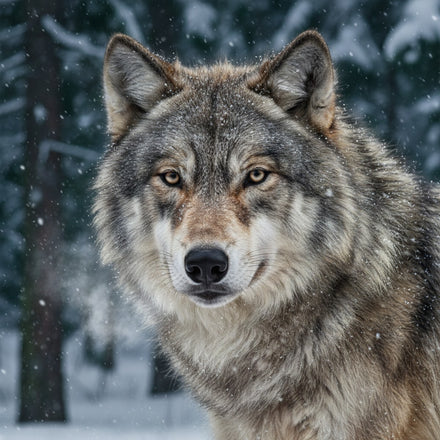
Wolf symbolism in art centers on three ideas across most traditions: loyalty and family through the pack, instinct and freedom through the lone howl, and guidance or transition through the wolf's role as a threshold animal in myth. Which reading a piece carries depends heavily on whether it shows one wolf alone or several together.
Those three readings are not competing interpretations of the same image, they map onto different compositions. A single howling wolf reads differently than a pack scene, and knowing which is which changes what a piece actually says on a wall, the same way the ocean symbolism guide separates calm water from a storm as two different statements.

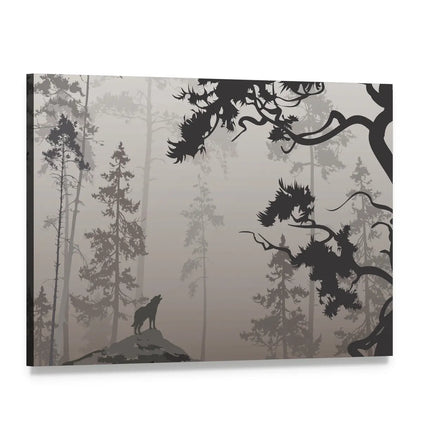
Across Norse, Native American and general Western folklore, a solitary wolf howling at the moon reads as self reliance and instinct rather than loneliness. The howl itself is a communication act, calling to a pack that exists somewhere beyond the frame, which is part of why the image reads as confident rather than sad.
This is the most common composition in wolf wall art generally, and it is why the subject suits a personal space, a study or an office, more than a shared family room: it is a statement about one's own instincts, not an invitation.

Two or more wolves together shift the reading toward the pack itself: wolves are famously social animals with strong family bonds, and a piece showing several together carries that cooperative reading rather than solitary independence. This is the composition to choose when the point is connection rather than instinct.
A pack scene suits a shared space, a family room or a hallway of connected pieces, in a way a lone howling wolf does not, the same logic that separates a family portrait from a solo one.

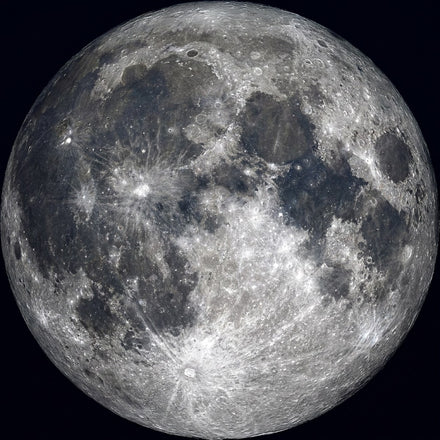
The pairing of wolf and moon predates modern wall art by centuries: wolves have been associated with the moon across multiple mythological traditions, partly from genuine nocturnal behavior and partly from the visual drama of a howl silhouetted against a bright night sky. The pairing in contemporary photography and illustration continues a genuinely old visual association rather than inventing a new one.
That is worth knowing because it explains why so much wolf wall art defaults to the moon pairing: it is not a modern cliché invented for decor, it is the oldest version of the image there is.

In several traditions, the wolf appears as a guide between worlds, a threshold animal marking a transition rather than simply a wild predator. This reading is quieter and less common in decorative photography than the howl or the pack, but it surfaces in more stylized or illustrated pieces rather than straight wildlife photography.
A piece leaning into this reading suits a space associated with change or reflection more than a purely decorative room: a study, a meditation space, an entryway that marks a literal threshold into the home.

A lone howling wolf for independence and instinct. A pack scene for loyalty and connection. A stylized or illustrated piece for the guide and threshold reading. All three exist within Tiaracle's own Wolf Wall Art range, and the wolf wall art guide covers the practical side, setting, format and size, once the meaning is decided. Moon Wall Art and Black Wall Art both connect to the howl-and-moon reading specifically.
Quick answers
Three main readings depending on the composition: independence and instinct through a lone howling wolf, loyalty and family through a pack scene, and guidance or transition through the wolf as a threshold figure in myth. The number of wolves shown is the clearest signal of which reading a piece carries.
The pairing predates modern decor by centuries, drawn from genuine nocturnal wolf behavior and the visual drama of a howl silhouetted against a bright night sky across multiple mythological traditions. Contemporary wolf art continues a genuinely old association rather than inventing a decorative cliché.
Generally not. Across most traditions a solitary howling wolf reads as independence and self reliance rather than isolation, since the howl itself is a communication act calling out to a pack beyond the frame. It reads as confident more than sad.
Loyalty, family bonds and cooperation, since wolves are genuinely social animals with strong pack structures. A pack scene suits a shared family space where connection is the point, while a lone wolf suits a personal space centered on independence and instinct.
A reading found in several mythological traditions where the wolf guides or marks a transition between states, rather than simply representing a wild predator. It is a quieter, less common theme in decorative wolf art, surfacing more in stylized or illustrated pieces than straight photography.
Shop this guide
Every collection this guide mentions. Each one opens on artwork printed to order on museum-quality canvas.
Pieces shown above
Every piece this guide shows, printed to order on museum-quality canvas.
Keep reading
Guides that pick up where this one stops.